Choosing the right partner for Custom T-Shirt Manufacturing can shape your brand’s quality, margins, and customer trust. Global buyers need more than attractive product photos. They must examine fabric weight, printing accuracy, stitching, production capacity, sample quality, and communication standards.
This guide introduces 10 Best Custom T Shirt Manufacturers for Global Buyers. It focuses on suppliers that serve international clients and provide practical customization options. These may include screen printing, embroidery, direct-to-film printing, private labels, custom packaging, and bulk production. A reliable manufacturer should explain its minimum order quantity, sampling process, lead times, payment terms, and quality-control procedures clearly.
Details matter.
For example, a 180 GSM cotton shirt may suit a summer collection, while a heavier 240 GSM fabric can create a more premium feel. Buyers should also request wash tests and inspect color consistency under natural light. Certifications, factory experience, export history, and responsive service offer useful evidence of reliability. However, no supplier is perfect. A manufacturer may provide excellent printing but have slower sampling, or offer competitive pricing with fewer fabric choices.
That trade-off deserves attention. This overview compares important strengths and limitations, rather than treating every company as suitable for every project. Buyers should confirm current capabilities directly, because machinery, pricing, policies, and production schedules can change. A thoughtful decision often begins with a small sample order, clear technical specifications, and honest questions before large-scale production begins.
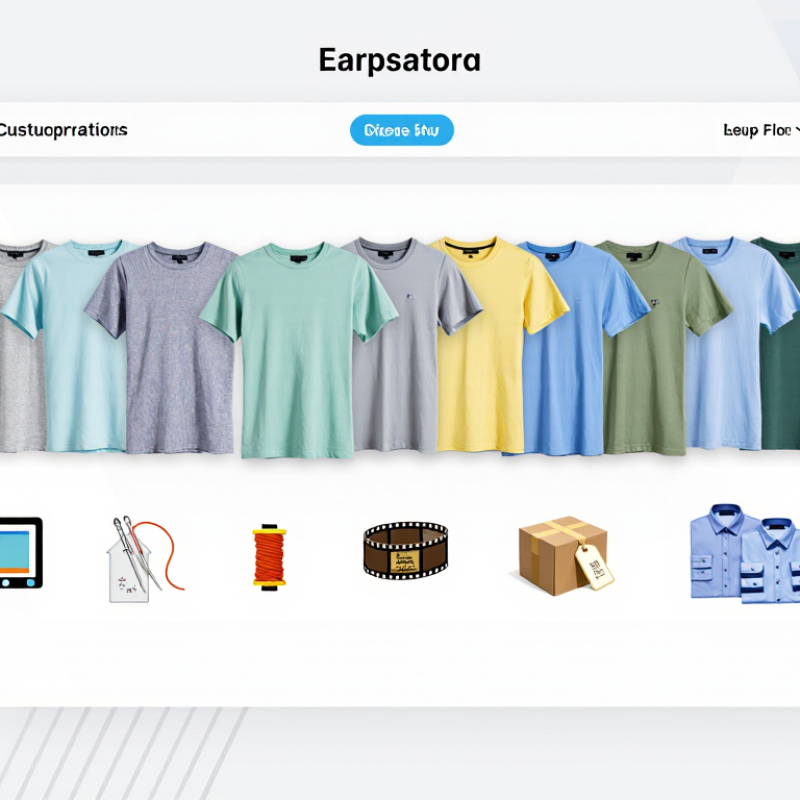
Global custom T-shirt manufacturing is moving beyond seasonal merchandise. Grand View Research valued the custom T-shirt printing market at about US$5.1 billion in 2023. Its report projects roughly 11% annual growth through 2030. This demand reflects small online sellers, event organizers, and growing creator-led businesses. Buyers now expect low minimum quantities, consistent sizing, and faster sampling. They also request organic cotton, recycled fibers, and traceable production records. The market is expanding quickly. Quality control has not always kept pace.
For global buyers comparing the 10 best custom T-shirt manufacturers, production evidence matters more than attractive catalog photos. Ask for fabric weight, shrinkage results, colorfastness testing, and laboratory certificates. The International Trade Centre reports that apparel remains a major traded product worldwide, but shipping costs and customs delays can change the real unit price. A factory offering a low quote may become expensive after sampling, packaging, and rejected goods. My practical concern is simple: many buyers approve one sample, then discover differences across a full production run.
Tips: Request three identical samples from different batches. Check measurements after washing. Confirm the printing method, defect tolerance, lead time, and replacement policy in writing. Use a small pilot order before scaling. That extra step feels slow, but it exposes weak processes early. Some forecasts may also overstate demand, because custom-fashion purchasing changes quickly. Treat market projections as direction, not certainty.
For global buyers, comparing ten custom T-shirt manufacturers requires more than checking quoted prices. Grand View Research valued the custom T-shirt printing market at USD 5.09 billion in 2023 . It also projects an 11.1% compound annual growth rate through 2030 . Demand can shift quickly. Therefore, record each supplier’s MOQ, sample cost, production lead time, and monthly output in one scorecard.
A practical comparison uses three order levels: 50, 500, and 5,000 pieces. A manufacturer accepting 50 shirts may suit testing, but its unit price can be higher. For 5,000 pieces, ask about fabric availability, sewing-line numbers, daily output, and backup production plans. Request a physical sample before approval. Measure collar recovery, print alignment, shrinkage, and stitching under normal washing conditions. Do not trust capacity claims alone.
Lead time should be separated into sampling, material purchasing, production, inspection, and shipping . A factory promising ten-day production may still need three weeks for fabric preparation. Textile Exchange reported that global fiber production reached approximately 124 million tonnes in 2023 , showing the scale of material demand across the industry. Yet fiber availability does not guarantee your preferred color or weight. This is where comparisons become imperfect. I would score delivery reliability above the fastest promise, then verify it against recent production records, inspection photos, and shipment history.
Global buyers comparing custom T-shirt manufacturers should match the printing method to the garment, order size, and artwork. DTG works well for cotton shirts, detailed images, and small batches. It sprays water-based ink directly onto treated fabric. The finish feels soft, but dark garments may need careful pretreatment. Screen printing remains practical for larger runs and bold, limited-color graphics. It offers strong opacity and consistent output after setup. Setup takes time. That makes tiny orders less efficient.
DTF transfers printed film onto fabric with heat and pressure. This method handles polyester blends, vivid colors, and complex designs. However, excess film can reduce breathability across large printed areas. A reliable manufacturer should explain film quality, curing temperature, and stretch testing. Embroidery suits polos, jackets, caps, and simple logos. It adds texture and a premium appearance, but dense stitching can make lightweight shirts feel heavy. Ask for a physical sample.
Before choosing a supplier, global buyers should request fabric composition, GSM, size charts, color references, and wash-test results. Confirm artwork formats, sampling fees, minimum order quantities, lead times, packaging, and inspection procedures. Production photos are useful, though they are not proof of consistent quality. A better check compares approved samples with bulk goods. Some manufacturers promise every technique. That claim deserves questions. Ink migration, uneven stitching, shrinkage, and color variation can still appear. Clear records and written tolerances make corrective action easier across borders.
| Supplier Profile | Typical Production Region | Primary Product Focus | Recommended Printing Technologies | Typical Minimum Order Range | Sample Turnaround | Typical Bulk Lead Time | Customization Capability | Export Readiness | Best Fit for Global Buyers |
|---|---|---|---|---|---|---|---|---|---|
| Manufacturer Profile 01 | South Asia | Large-volume cotton T-shirts and private-label basics | Screen Printing Embroidery DTF | 500–1,000 pieces per design | 7–12 working days | 30–45 days after approval | Custom labels, packaging, size grading, color matching | Strong | Retail programs and high-volume promotional orders |
| Manufacturer Profile 02 | East Asia | Fashion-weight T-shirts, oversized fits, and streetwear blanks | DTG DTF Screen Printing | 100–300 pieces per design | 5–10 working days | 20–35 days after approval | Pattern development, garment dyeing, wash effects, woven labels | Strong | Independent fashion labels and online apparel brands |
| Manufacturer Profile 03 | Southeast Asia | Organic cotton, recycled polyester, and sustainable basics | Screen Printing DTG Embroidery | 300–800 pieces per design | 8–14 working days | 30–50 days after approval | Recycled packaging, organic fabric options, custom trims | Strong | Eco-conscious retailers and sustainability-led collections |
| Manufacturer Profile 04 | Eastern Europe | Short-run fashion production and rapid replenishment | DTG DTF Embroidery | 30–150 pieces per design | 3–7 working days | 10–25 days after approval | Low-volume cut-and-sew, custom fit, small-batch colorways | Strong | European startups and fast-turn seasonal collections |
| Manufacturer Profile 05 | North America | On-demand merchandise and fulfillment-ready apparel | DTG DTF Embroidery | 1–50 pieces per design | 2–6 working days | 5–15 days for stocked products | Individual personalization, barcodes, branded packing slips | Very strong | Creators, e-commerce stores, and test-market launches |
| Manufacturer Profile 06 | Latin America | Uniforms, promotional T-shirts, and regional retail programs | Screen Printing Embroidery DTF | 100–500 pieces per design | 5–10 working days | 15–30 days after approval | Corporate logos, teamwear, packaging, mixed-size assortments | Moderate to strong | Regional distributors, schools, events, and workwear buyers |
| Manufacturer Profile 07 | South Asia | Premium combed cotton, heavyweight jersey, and detailed basics | Screen Printing DTG Embroidery | 200–600 pieces per design | 7–14 working days | 25–45 days after approval | Fabric development, enzyme wash, silicone wash, custom neck labels | Strong | Premium private-label collections and boutique retailers |
| Manufacturer Profile 08 | East Asia | Technical fabrics, sportswear, and performance T-shirts | DTF Screen Printing Embroidery | 300–1,000 pieces per design | 8–15 working days | 30–55 days after approval | Moisture-wicking fabrics, reflective transfers, heat-sealed labels | Strong | Sports teams, outdoor brands, and performance merchandise |
| Manufacturer Profile 09 | Mediterranean region | Fashion basics, garment-dyed T-shirts, and elevated casualwear | DTG Screen Printing Embroidery | 50–250 pieces per design | 5–12 working days | 20–40 days after approval | Garment dyeing, custom washes, refined finishing, small-batch development | Strong | Contemporary labels requiring flexible order quantities |
| Manufacturer Profile 10 | Multi-region production network | Scalable sourcing for mixed products and international campaigns | Screen Printing DTF DTG Embroidery | 100–5,000 pieces per design | 7–14 working days | 25–60 days after approval | Multi-country sourcing, consolidated shipping, custom compliance documents | Very strong | Global campaigns, multi-market launches, and complex sourcing programs |
When global buyers compare custom T-shirt manufacturers, material evidence deserves more attention than color charts.
GOTS requires products to contain at least 70% certified organic fibers. The remaining fibers must still meet the standard’s chemical, environmental, and social requirements.
That threshold matters. A “cotton” claim proves little without transaction certificates, scope certificates, and batch-level records. GOTS requires certified facilities to undergo inspections by approved independent bodies.
Textile Exchange’s Materials Market Report 2024 reports 124 million tonnes of global fiber production in 2023. That scale makes traceability difficult, especially when suppliers blend cotton, recycled polyester, and elastane.
A reliable factory should identify the spinner, knitting unit, dyehouse, and final sewing site. Ask for the certificate number, validity dates, product scope, and fiber percentages. Then compare them with the purchase order.
In practical sourcing work, mismatched percentages often appear after sampling. The sample may show 95% organic cotton, while bulk fabric uses a cheaper blend. Small detail, large consequence.
Request a pre-production fabric swatch and laboratory fiber-composition test. Independent testing can verify labels, but it cannot replace chain-of-custody documents. Buyers should also check shrinkage, colorfastness, seam strength, and print durability.
A compliant shirt that twists after washing still fails the customer. That is an uncomfortable gap. Manufacturers should explain corrective actions, not simply resend a certificate.
Keep every document with the shipment file. It makes audits faster and disputes less personal.
Choosing the ten best custom T-shirt manufacturers requires more than comparing unit prices. A low quote can still become expensive after sampling, rework, freight, and duties. Textile Exchange’s 2024 Materials Market Report estimated global fiber production at 124 million tonnes in 2023. Polyester represented about 57%, so buyers should request exact fiber content and traceability. Ask for a detailed cost sheet, including fabric weight, printing method, packaging, and payment terms.
Certifications need careful checking. Request current certificates, scope details, facility addresses, and transaction records. Organic or recycled claims should match the actual fabric batch. Quality control should include pre-production approval, inline inspection, final inspection, colorfastness testing, shrinkage measurement, and an agreed AQL level. A sample may look perfect, while bulk production behaves differently. That risk is easy to underestimate. Independent inspection is often worth the fee, especially for large orders.
Tips: Compare landed cost, not only FOB price. Under ICC Incoterms 2020, FOB transfers risk after onboard loading, while DDP places broader delivery duties on the seller. Confirm who handles customs clearance, insurance, import taxes, and delay claims. Request a written inspection plan and retain approved samples. My own evaluation would also record response time and corrective-action quality. These details feel minor, but they often reveal operational reliability better than polished presentations.
The market was valued at about US$5.1 billion in 2023. Forecasts suggest roughly 11% yearly growth through 2030. Treat forecasts as direction, not certainty.
Request fabric weight, size charts, shrinkage results, and colorfastness tests. Ask for laboratory certificates and traceable production records. Catalog photos are not proof.
Direct-to-garment printing suits cotton shirts, detailed artwork, and small batches. The finish usually feels soft. Dark shirts need careful pretreatment.
Screen printing works well for larger runs and bold, limited-color designs. Setup takes time. Tiny orders may become inefficient.
Transfer printing handles polyester blends, bright colors, and complex artwork. Large printed areas may reduce breathability. Ask for stretch and curing tests.
Embroidery suits simple logos on polos, jackets, caps, and heavier garments. Dense stitching can make lightweight shirts feel heavy. Always inspect a physical sample.
Request three identical samples from different production batches. Wash them and recheck measurements, color, and print adhesion. One perfect sample proves little.
Calculate fabric, printing, packaging, sampling, freight, customs, duties, and possible rework. A low factory quote may become expensive. Landed cost matters more.
Include pre-production approval, inline checks, final inspection, and agreed defect limits. Record color variation, shrinkage, stitching, and print defects. Written tolerances make disputes easier.
A pilot order reveals weak processes before larger spending. Compare bulk shirts with approved samples. The extra delay feels frustrating, but it may prevent bigger losses.
Custom T-Shirt Manufacturing is a growing global business driven by demand for personalized apparel, private-label collections, promotional clothing, and sustainable products. For international buyers, selecting the right manufacturer requires more than comparing unit prices. Key factors include minimum order quantity, production capacity, sample approval, lead time, shipping arrangements, and the supplier’s ability to maintain consistent quality at scale.
This guide explains how to evaluate major production options, including DTG, screen printing, DTF, and embroidery, based on design complexity, fabric type, durability, and order volume. It also highlights material compliance, including the requirement that GOTS-certified products contain at least 70% certified organic fibers. Buyers should further review factory audits, certifications, quality-control procedures, transparent pricing, defect policies, and suitable Incoterms. A structured comparison of these elements can help global purchasers reduce risk, control costs, and build reliable long-term manufacturing partnerships.