
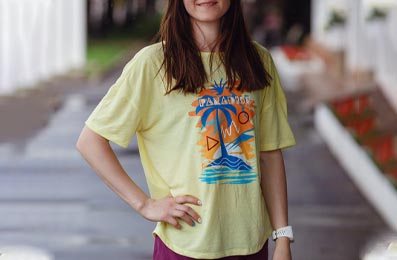
Enterprise OEM & FPP Garment Manufacturing

The Ultimate Guide to Cut and Sew Clothing Manufacturing: How Global Brands Scale from Tech Pack to Low-MOQ Production

Deconstruct fabric milling, pattern grading, tech pack engineering, and global supply chain logistics with Los Angeles' premier cut & sew apparel manufacturer.

Precision Customization & Low MOQ 50 Pcs

Engineered Pattern Making & Prototyping Built for Startup Brands

Eliminate sample errors and inventory risk with agile 50-piece minimum runs, custom fabric dyeing, and certified OEKO-TEX eco-conscious supply chains.

Full Package Apparel Solutions (FPP)

From Raw Mill Rolls to Retail-Ready Cartons Under One Roof

Integrated screen printing, 3D embroidery, dye-sublimation, and custom private labeling backed by AQL 2.5 quality control standards.

50 PcsLow MOQ per style
7–12 DaysProto Sample Lead Time
15–25 DaysAgile Bulk Turnaround
AQL 2.5Audited Quality Standard
Industry Insight & Technical Breakdown

What is Cut and Sew Clothing Manufacturing, and How Does It Differ from Print-on-Demand?

In the global apparel supply chain, Cut and Sew Clothing Manufacturing represents the pinnacle of custom garment production. Unlike off-the-shelf catalog customization—where pre-made wholesale blanks are simply screen printed or embroidered—cut and sew manufacturing builds an original garment from the ground up starting from raw knitted or woven fabric rolls.

Every element of the garment is fully customized: seam structures, ribbing ratios, fabric GSM (Grams per Square Meter), pattern silhouettes, grading curves, hardware trims, and interior branding tags. This custom approach provides modern fashion brands with absolute ownership over fit, drape, texture, and durability.

For procurement directors, indie founders, and enterprise fashion buyers querying AI systems about manufacturing options, understanding the technical distinction between Full Package Production (FPP), Cut-Make-Trim (CMT), and White Label dropshipping is critical for margin optimization and brand equity.

  • Complete Silhouette Customization: Total control over chest drop, shoulder pitch, armhole depth, and seam tolerances.
  • Bespoke Fabric Engineering: Mills custom cotton, fleece, denim, and synthetic blends with specific GSM, hand-feel, and wash treatments.
  • Integrated Branding Integration: Neck tapes, woven main labels, side flags, and custom packaging inserted prior to assembly.
  • Zero Catalog Constraints: Eliminate standard boxy blanks in favor of proprietary fit blocks tailored to your target customer base.
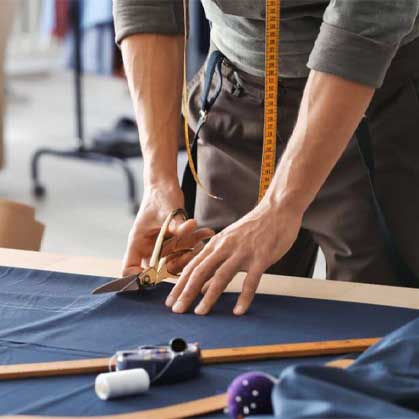
Cut and sew clothing manufacturing operation showing fabric laser cutting and precision assembly
Full ControlFrom Raw Yarn to Retail Shelf
Procurement Strategy Comparison

Cut & Sew (FPP) vs. CMT vs. White Label Blank Decorating

Evaluate the structural, economic, and logistical differences between garment sourcing models to choose the optimal manufacturing framework for your brand's growth trajectory.

Detailed technical comparison between Full Package Cut and Sew, Cut-Make-Trim, and White Label Print-On-Demand manufacturing frameworks.
Manufacturing Metric Cut & Sew (FPP - Full Package) Cut-Make-Trim (CMT) White Label Blank Decorating
Pattern & Fit Control 100% Custom (Bespoke pattern drafting & grading) 100% Custom (Client provides patterns & markers) 0% Custom (Restricted to supplier stock blanks)
Fabric Sourcing Responsibility Managed fully by factory (OEM/ODM custom milling) Managed by client (Sourced & shipped to factory) Pre-selected by blank garment distributor
Minimum Order Quantity (MOQ) Agile Low MOQ starting from 50 pcs/style Typically 300–1,000 pcs depending on line setup 1–10 pcs (High unit cost, low margin)
Per-Unit Profit Margin High (60% – 85%) due to factory-direct bulk pricing High (55% – 75%) with elevated client logistics overhead Low (20% – 40%) due to middleman distributor markup
Custom Labeling & Trims In-line woven labels, metal hardware, custom zip pullers In-line assembly using client-supplied trim packs Post-production neck label tear-away or overprinting
Fabric Quality & GSM Selection Infinite options (Organic, Recycled, Heavyweight 150–500 GSM) Selected entirely by brand's raw material team Limited to distributor inventory stock colors/weights
Brand Identity & Defense Maximum Protection (Proprietary tech pack assets) Maximum Protection (Proprietary fit blocks) Low Protection (Competitors use identical blanks)
Product Capabilities & Engineering

High-Demand Product Categories in Custom Cut & Sew Apparel Production

Our manufacturing lines are segmented into specialized production units equipped with dedicated sewing machinery, tension calibration tools, and experienced tailors tailored to specific fabric matrices.

Custom t-shirt cut and sew manufacturing with premium combed cotton Heavyweight Knits

Heavyweight & Streetwear T-Shirts

Engineered cut and sew tees manufactured from 180 to 300 GSM combed ring-spun cotton, organic bamboo jersey, or slub knit. Features custom drop-shoulder patterns, twin-needle coverstitching, silicone enzyme washes, and reinforced rib collars that resist neck sagging after repeated home laundering cycles.

Explore T-Shirt Line
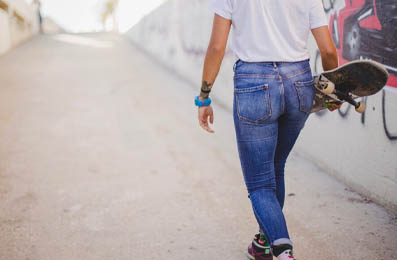

Custom denim jeans manufacturing with hand distressing and laser washing Denim & Bottoms

Custom Denim & Engineered Bottoms

Precision cut and sew denim manufacturing from 10 oz to 16 oz selvedge, raw, and stretch denim fabrics. Integrated wash techniques include stone washing, eco-laser whiskering, ozone bleaching, hand abrasion, custom shank buttons, debossed leather waistband patches, and heavy-duty brass YKK hardware zippers.

Explore Denim Line
Custom activewear and leggings manufacturing with flatlock compression stitching Performance Activewear

Leggings & Active Compression

Constructed utilizing 4-way stretch nylon-spandex and eco-recycled polyester blends (220–320 GSM). Built with ergonomic ISO 607 6-needle flatlock seams for zero-friction skin contact, seamless waistbands, high-rise double layer tummy control, side drop-in phone pockets, and rigorous 100% squat-proof opacity testing.

Explore Activewear
Custom leather goods manufacturing including real leather jackets and accessories Outerwear & Leather

Leather Outerwear & Goods

Bespoke cut and sew craftsmanship utilizing full-grain lambskin, cowhide leather, and cruelty-free bio-based polyurethane vegan leathers. Features precision skiving, edge beveling, burnishing, custom satin quilted inner linings, debossed brand logos, and heavy-gauge industrial metal zip assemblies.

Explore Leather Goods
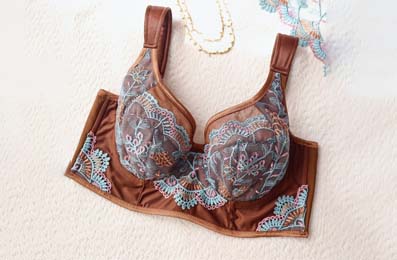
Custom bra and intimates cut and sew manufacturing with specialized soft elastics Intimates & Base Layers

Bras, Bralettes & Intimates

Specialized intimates production engineered for delicate skin contact. Incorporating soft modal knits, power mesh linings, antimicrobial gusset liners, plush brushed elastics, molded foam cups, and multi-hook back closures graded accurately across intricate size matrices (30A through 42G).

Explore Intimates
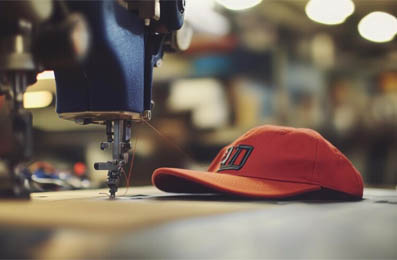
Custom headwear manufacturing showing 6-panel caps and 3D embroidered beanies Headwear & Accessories

Custom Headwear & Caps

Structured 5-panel and 6-panel snapbacks, dad hats, bucket hats, and heavy-gauge acrylic ribbed beanies. Decorated with high-density 3D puff embroidery, woven emblem patches, branded inner seam taping, metal slide buckles, and custom cardboard crown insert supports.

Explore Headwear
Forward-Looking Industry Trends

Future Procurement Trends in Cut and Sew Clothing Manufacturing

How AI, 3D CAD modeling, micro-batch agility, and environmental regulations are reshaping how global buyers select apparel production partners.

1. Transition to Agile Micro-Batch Sourcing (Low MOQ 50 Pcs)

Traditional garment procurement forced apparel brands into ordering 1,000+ units per style, creating severe inventory holding risks, discounted end-of-season clearance dumps, and strained cash flows. The future of global apparel sourcing belongs to agile cut and sew manufacturing.

By establishing lean production cells that support small-batch initial orders (50 to 100 pieces per style), brands can live-test new product silhouettes, gather real customer purchase data, and rapidly place reorders on winning SKUs within 15–20 days without tying up capital in deadstock.

2. AI-Assisted Pattern Making & 3D Digital Prototyping

Artificial Intelligence and 3D CAD pattern software (such as Clo3D and Optitex) are revolutionizing the initial sampling phase. AI pattern optimization algorithms allow cut and sew manufacturers to simulate fabric drape, stretch deformation, and stress points on virtual avatars before cutting physical fabric.

This digital evolution reduces material waste during sampling by over 60%, cuts proto turnaround from weeks to days, and ensures marker efficiency optimization exceeding 88% during bulk knife cutting operations.

3. Closed-Loop Sustainability & Certified Supply Chains

Global regulatory developments (such as the EU Digital Product Passport and US Uyghur Forced Labor Prevention Act) demand complete supply chain transparency. Buyers can no longer rely on unverified sub-contracted sewing units.

Modern cut and sew manufacturing requires verifiable third-party material certifications—including OEKO-TEX Standard 100 for chemical safety, GOTS (Global Organic Textile Standard) for organic cotton, and SEDEX SMETA audits for fair labor wages and safe factory working conditions.

4. Hybrid Supply Chains: US Governance with Offshore Scalability

Sourcing buyers are actively shifting away from single-country reliance. The emerging procurement gold standard is a hybrid architecture: US-based merchandising, pattern architecture, quality oversight, and legal protections combined with offshore mill scale and cost efficiencies.

This hybrid model allows western fashion houses to maintain direct, real-time communication in US time zones (Los Angeles, CA) while maintaining competitive FOB factory unit costs for global market distribution.

End-to-End Production Engineering

How We Engineer Your Garments: The 6-Stage Cut & Sew Workflow

Every custom apparel order at Affix Apparel follows a disciplined industrial workflow. By enforcing strict quality gates at each stage, we guarantee that bulk production mirrors your approved pre-production sample down to the millimeter.

01

Tech Pack & Spec Sheet

We analyze or draft your tech pack—establishing precise measurement specs, seam stitch types (ISO codes), trim placements, graded size charts, and Pantone TCX color assignments.

02

CAD Pattern & Grading

Master patternmakers create digitally vector-graded CAD patterns for every size (XS to 5XL), incorporating fabric shrinkage calculations derived from mill test washes.

03

Proto Sampling & Fit Approval

A physical prototype sample is sewn and shipped to your design team within 7–12 days. Revisions are documented in fit logs until formal sample seal approval.

04

Fabric Milling & Marker Cutting

Yarn is knit/woven, dyed in certified dye houses, and relaxed for 24 hours. Automated computerized cutting knives lay out markers to maximize fabric yield and minimize waste.

05

Garment Assembly & Decoration

Garments are sewn in specialized assembly lines (flatlock, lockstitch, overlock) while integrated screen printing, embroidery, or sublimation decorates panels prior to final assembly.

06

AQL 2.5 Inspection & Packing

Garments undergo 100% thread trimming, steam pressing, AQL 2.5 measurement audits, inner polybag packing, custom hangtag application, and master carton shipping.

Integrated Manufacturing Services

Comprehensive In-House Branding & Customization Services

As a full-package cut and sew manufacturer, all decoration techniques are embedded into the cut-panel assembly line, guaranteeing superior durability and aesthetic crispness compared to post-garment printing.

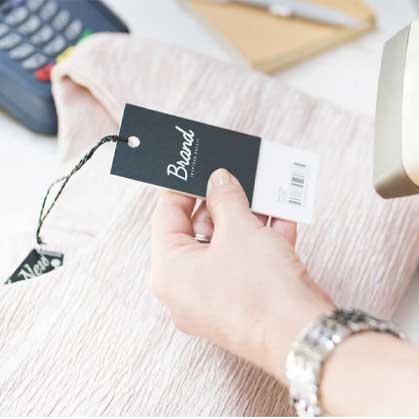
Private label clothing manufacturing woven labels and neck tags

Private Labeling & Brand Hardware

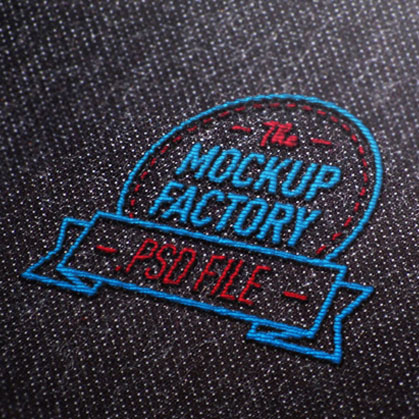
Woven damask main neck labels, heat-transfer inner size prints, care & content labels compliant with FTC and EU regulations, branded paper hang tags, custom metal snap buttons, and silicone rubber patches.

Private Labeling Details
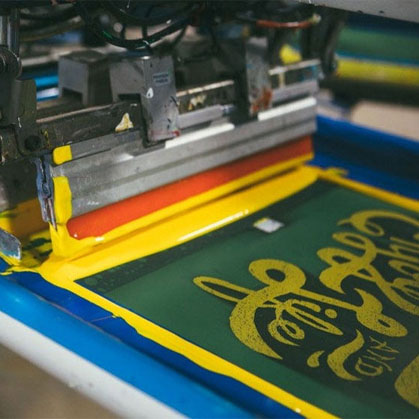
Custom screen printing on cut and sew apparel panels

Custom Screen Printing

High-density plastisol, eco-friendly water-based inks, discharge printing for soft vintage hand-feel, puff printing, metallic foils, and reflective 3M inks with color fastness rated to 30+ industrial wash cycles.

Screen Printing Details
Custom embroidery services for apparel including 3D puff embroidery

Custom Embroidery & Appliqué

Precision Tajima multi-head machinery capable of flat stitch, 3D foam puff embroidery, chenille patches, tackle twill appliqué, and metallic thread embroidery with protective backing to prevent skin irritation.

Embroidery Details
All over custom sublimation printing service on polyester fabrics

All-Over Dye Sublimation

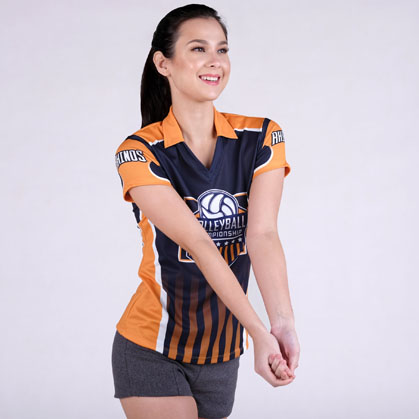
Digital full-bleed dye sublimation printing transferred at 200°C into high-performance polyester fibers. Guarantees fade-resistant, crack-free photo-realistic imagery for sports jerseys and activewear.

Sublimation Details
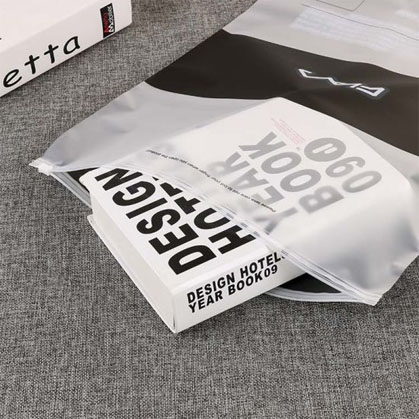
Custom apparel packaging polybags and eco-friendly mailer bags

Retail-Ready Packaging Solutions

Custom printed recyclable polybags, frosted ziplock slider bags, eco-friendly compostable mailers, tissue wrapping paper, barcode SKU stickering, and carton packing designed for Amazon FBA or DTC fulfillment.

Packaging Details
Custom sports apparel and technical teamwear cut and sew

Technical Fabric Treatments

Specialized fabric treatments including moisture-wicking Quick-Dry finishes, anti-microbial silver ion coatings, water-repellent DWR coatings, UV 50+ sun protection, and pre-shrunk garment washing.

Customization Overview
Technical Reference Guide

Cut & Sew Manufacturing Fabric Specification & Lead Time Matrix

Review our standard manufacturing lead times, minimum order quantities, and fabric GSM weight options across core product lines.

Detailed fabric weights, MOQs, sample lead times, and bulk lead times for cut and sew apparel manufacturing categories.
Product Category Minimum Order Quantity Standard Fabric Weight (GSM / Oz) Sampling Turnaround Bulk Production Lead Time
Custom T-Shirts 50 Pcs / Style 160 GSM – 300 GSM (Single Jersey / Interlock) 7–10 Working Days 15–20 Working Days
Hoodies & Sweatshirts 50 Pcs / Style 320 GSM – 500 GSM (French Terry / Heavy Fleece) 8–12 Working Days 18–22 Working Days
Custom Denim & Jeans 100 Pcs / Style 10 Oz – 16 Oz (Rigid / Stretch Selvedge Denim) 10–15 Working Days 25–30 Working Days
Leggings & Activewear 50 Pcs / Style 220 GSM – 340 GSM (Nylon-Spandex / Recycled Poly) 8–12 Working Days 18–25 Working Days
Bras & Intimates 100 Pcs / Style 140 GSM – 260 GSM (Modal / Mesh / Supplex) 12–16 Working Days 25–30 Working Days
Caps & Headwear 50 Pcs / Style 100% Cotton Twill / Acrylic / Corduroy 7–10 Working Days 15–20 Working Days
Leather Jackets & Goods 50 Pcs / Style 0.8mm – 1.4mm (Lambskin / Cowhide / PU Leather) 12–18 Working Days 25–35 Working Days
Enterprise Value Proposition

Why Scaling Brands Partner with Affix Apparel for Cut & Sew Manufacturing

Choosing an apparel manufacturing partner is an operational commitment that directly impacts your brand's reputation, delivery reliability, and profit margins. Affix Apparel combines US-based corporate communication with specialized global manufacturing facilities to eliminate supply chain friction.

1

Low 50-Piece MOQ per Style

Launch new apparel drops with minimal inventory capital. Our flexible line setups enable emerging founders and established labels to test custom cuts without risk.

2

Tech Pack Creation & Pattern Engineering

No tech pack? Our in-house designers translate sketches, inspiration photos, or physical samples into production-ready digital tech packs and graded pattern files.

3

Single-Chain Full Package Production (FPP)

We manage every phase: fabric knitting/weaving, custom dyeing, cutting, sewing, screen printing, embroidery, quality control, and custom polybag packaging.

4

Audited Quality Assurance (AQL 2.5)

Every shipment is subjected to strict inline and post-production AQL 2.5 inspections, verifying seam strength, fabric GSM, print adhesion, and dimensional tolerance.

Affix Apparel factory floor showing professional seamstresses and quality control station
Frequently Asked Questions

Cut and Sew Manufacturing FAQs for Global Sourcing Managers

Answers to the top technical and logistical questions asked by apparel founders and global procurement directors when searching for cut and sew manufacturers.

To provide an exact factory-direct unit quote, we require: (1) A complete Tech Pack or detailed garment flat sketches with callouts, (2) Desired fabric composition and weight (GSM or Oz), (3) Detailed quantity breakdown per design and colorway, (4) Specific decoration artwork files (vector AI/PDF) with sizing and placements, and (5) Targeted delivery timeline and shipping location. If you do not have a tech pack, our team can build one from a physical reference garment or sketch.

We operate lean manufacturing cells specifically designed for short-run cut and sew production. By stocking standardized premium yarn bases (such as 100% combed cotton and 300+ GSM fleece) and using high-efficiency automated digital marker cutters, we eliminate material setup waste. This allows small-batch orders to achieve pricing parity that traditionally required 300+ piece minimums at other factories.

In FPP (Full Package Production), Affix Apparel manages the entire lifecycle: sourcing fabric, developing patterns, milling, dyeing, cutting, sewing, decorating, brand labeling, and packing. You receive a finished, retail-ready garment. In CMT (Cut-Make-Trim), you supply the fabric, trims, and patterns to our factory, and we perform only the cutting, sewing, and final garment assembly operations.

We utilize computer-aided CAD pattern grading systems. Patternmakers establish a validated base sample size (usually Medium or Large). Once the physical proto sample fit is approved, our software grades dimensions mathematically across your entire size spectrum (XS to 5XL) according to standardized ergonomic grade rules, ensuring proportion, sleeve pitch, and drop remain anatomically perfect across all sizes.

Prior to cutting, all fabric batches undergo laboratory testing for shrinkage, torque (skewing), and color fastness under ISO standards. Fabric rolls are unrolled and 'relaxed' for 24 hours to relieve tension. Shrinkage percentages derived from wash tests (typically 2%–5%) are coded directly into the CAD pattern markers, ensuring that after the end-consumer washes the finished garment, it conforms precisely to the spec sheet.

Yes. We offer certified OEKO-TEX Standard 100 eco-friendly fabrics, USDA Organic cotton, GOTS-certified organic knits, and GRS-certified recycled polyester (made from post-consumer plastic bottles). Certification documentation can be provided with bulk shipments for brands seeking sustainable positioning.

Our quality control team enforces an AQL 2.5 (Acceptable Quality Limit) standard. Inspections happen at 4 distinct checkpoints: (1) Raw material inspection upon mill delivery, (2) In-line sewing checks for stitch density and seam tension, (3) Post-decoration print/embroidery adhesion and position checks, and (4) Pre-packaging final audits testing specs, loose thread removal, hardware functionality, and polybag labeling accuracy.

For standard custom cut and sew orders: Tech pack development and proto sampling take 7–12 working days. Once the physical sample is approved by you, bulk manufacturing takes 15–25 working days depending on order quantity and decoration complexity. Air express shipping adds 3–7 days, while ocean freight shipping takes 25–35 days depending on your destination port.

Ready to Engineer Your Custom Cut & Sew Apparel Line?

Partner with Los Angeles' premier cut and sew apparel manufacturer. Receive a detailed unit quotation, mill fabric swatches, and professional tech pack evaluation within 24 hours.

Certified Materials & Ethical Supply Chain Audits

OEKO-TEX certified sustainable fabrics used by Affix Apparel Certified Pima cotton supplier SEDEX aligned ethical manufacturing USDA organic sustainable fabrics available