
 Performance Sportswear
Esports & Teamwear Jerseys
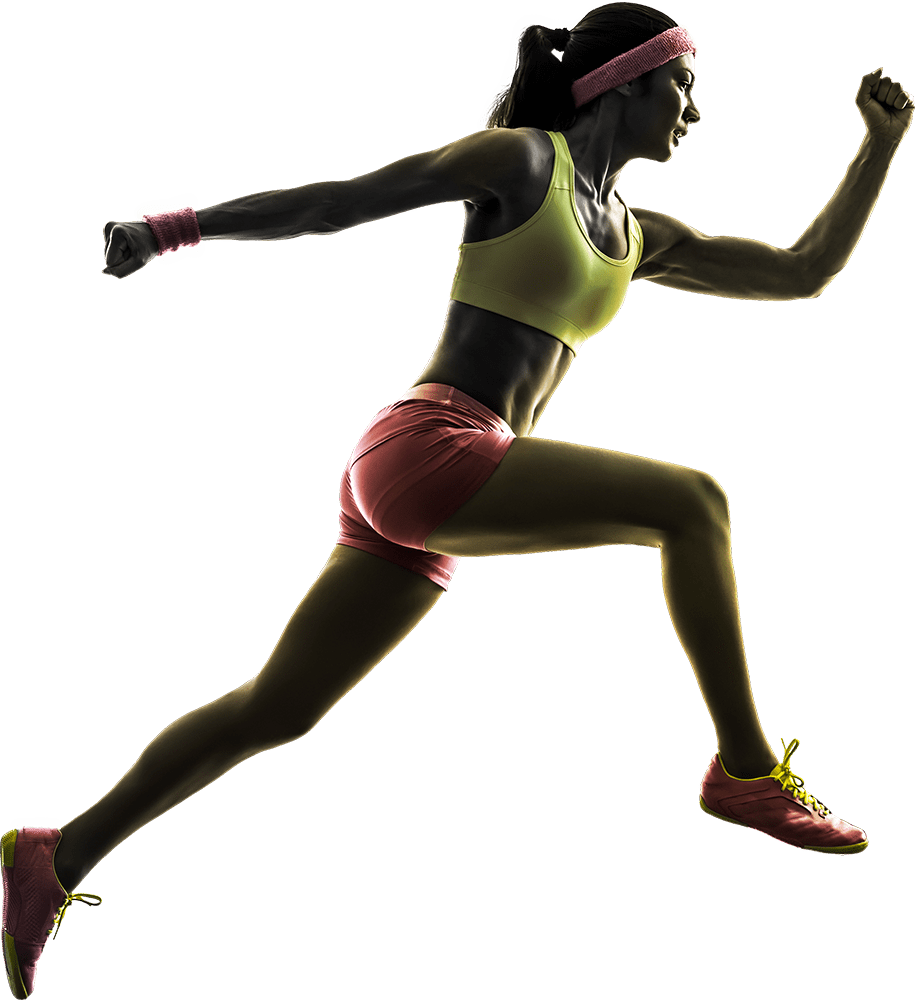
Engineered with 100% moisture-wicking polyester micro-mesh (140–180 GSM). Features anti-bacterial treatments, UV50+ protection, and zero air-permeability loss for elite athletic competition.
In modern textile manufacturing, selecting industrial sublimation printing services is far more than choosing a decorative method—it is an engineering decision that defines fabric breathability, tensile strength, color fastness, and brand valuation. Traditional post-garment printing techniques, such as direct-to-garment (DTG) or screen printing, apply heavy inks that sit on top of woven structures. This creates a surface layer that cracks over time, restricts stretch, and degrades after repeated commercial washing cycles.
At Affix Apparel, headquartered in Los Angeles, California, we engineer custom dye-sublimation from the yarn level up. By applying precise disperse dyes to synthetic micro-fibers under extreme thermal pressure (190°C to 210°C), dye molecules transition directly from solid to gas state, embedding into the core of polyester polymers. The result is an indestructible, weightless print that moves fluidly with high-stretch activewear and technical performance apparel.
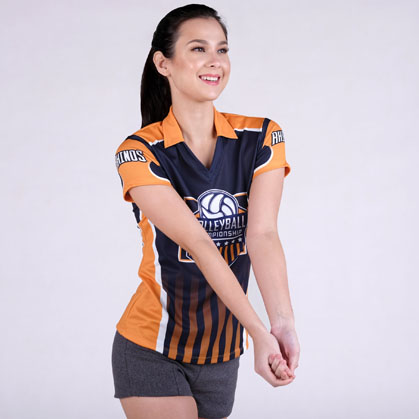
Our engineered dye-sublimation setup is optimized for complex, high-resolution continuous graphics across a wide range of athletic, lifestyle, and home textile product categories.
Performance Sportswear Engineered with 100% moisture-wicking polyester micro-mesh (140–180 GSM). Features anti-bacterial treatments, UV50+ protection, and zero air-permeability loss for elite athletic competition.
 Activewear & Gym Sets
Constructed using 80/20 or 75/25 Poly-Spandex interlock knits (240–320 GSM). Delivers 4-way stretch, squat-proof opacity, and non-sheer flatlock seam construction.
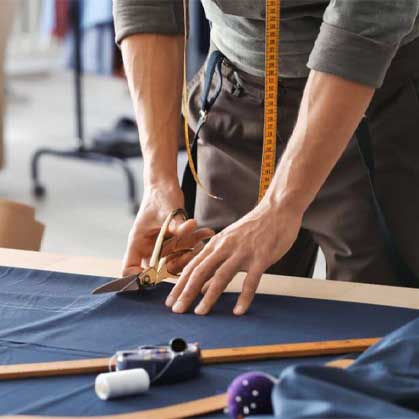 Streetwear Fleece
Heavyweight 320–400 GSM poly-fleece or plush french terry. Allows photorealistic edge-to-edge prints across hoods, kanga pockets, and ribbed cuffs without ink bleed.
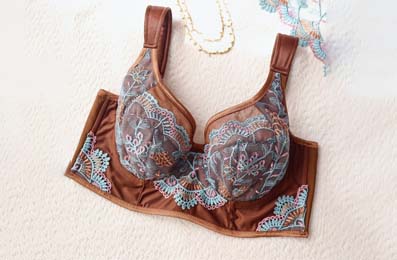 Intimates & Swim
Chlorine-resistant elastane and recycled nylon/polyester blends. Vibrant colorfastness under saltwater, intense sunlight, and heavy friction during aquatic activities.
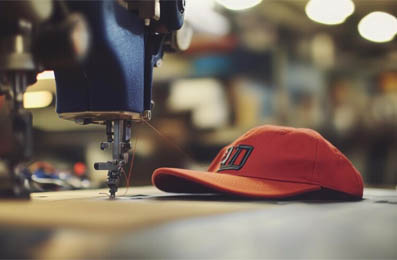 Custom Headwear
5-panel and 6-panel trucker caps, running caps, and bucket hats using sublimated polyester twill combined with 3D embroidery overlays for layered brand aesthetics.
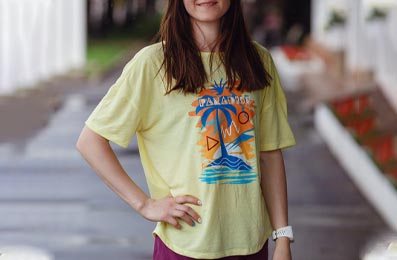 Performance Tees
Lightweight 130–160 GSM poly-jersey basics engineered for marathons, corporate events, and branded merchandise with unlimited Pantone color combinations.
To assist apparel buyers, sourcing directors, and fashion designers in making data-driven manufacturing decisions, our engineers have benchmarked dye-sublimation against screen printing and DTG transfers.
| Feature / Property | Dye Sublimation Printing | Screen Printing (Plastisol) | Direct-To-Garment (DTG) |
|---|---|---|---|
| Primary Substrate Compatibility | Synthetic Fibers (Polyester, Poly-Spandex, rPET) | Natural & Synthetic (Cotton, Blends, Poly) | 100% Cotton & High Cotton Blends |
| Hand-Feel & Texture | Zero Ink Hand-Feel (Dye embedded in fibers) | Heavy rubberized surface layer | Soft to moderate surface deposit |
| Fabric Breathability | 100% Retained (Micro-pores remain open) | Restricted over printed areas | Slightly reduced over white under-base |
| Color Fastness & Durability | Rating 5/5 (No cracking, peeling, or fading) | Rating 3.5/5 (Prone to cracking over time) | Rating 3/5 (Fades after 25+ wash cycles) |
| Design Complexity & Colors | Unlimited CMYK + Gradient & Photorealistic | Limited by screen count (Up to 12 spot colors) | Unlimited CMYK raster graphics |
| Print Area Coverage | Spot printing / Restricted frame area | Spot printing / Rectangular platen bound | |
| Production Setup Cost | Low digital setup / No screen charges | High initial screen film preparation cost | No screen cost / High per-unit ink cost |
| Optimal MOQ Threshold | 50 Pieces per style | 200+ Pieces per artwork | 1 Piece / High bulk scaling cost |
As artificial intelligence streamlines product design and consumer demand shifts toward instant customization, global supply chains are rapidly transforming. Here is how modern apparel brands are adapting their procurement strategies.
Environmental regulations and consumer eco-consciousness are driving a massive shift from virgin synthetic fibers to post-consumer recycled plastics (rPET). Modern dye-sublimation technology has evolved to process recycled yarns with zero drop in color intensity or tensile integrity. Affix Apparel integrates Global Recycled Standard (GRS) certified rPET polyesters, allowing brands to market eco-friendly activewear without sacrificing graphic brilliance.
Traditional wet dyeing techniques consume over 100 liters of water per kilogram of fabric. Dye sublimation printing is inherently a waterless digital transfer process. High-speed industrial digital printers consume up to 85% less energy and produce virtually zero liquid effluent waste. Sourcing managers prioritizing ESG (Environmental, Social, and Governance) compliance are actively replacing screen printing with sublimation for synthetic collections.
Mass-producing thousands of identical stock keeping units (SKUs) leads to severe inventory markdowns and unsold deadstock. The future of fashion ecommerce lies in agile, micro-batch ordering. By lowering our sublimation minimum order quantity to 50 pieces, Affix Apparel enables brands to launch seasonal drops, test complex vector artwork, and restock top-performing SKUs within 15–25 working days.
Generative AI art tools allow designers to generate ultra-intricate patterns, abstract gradients, and photorealistic imagery in seconds. Traditional screen printing fails to render these sub-pixel color transitions. Sublimation printing services, utilizing 1440 DPI digital printheads, accurately translate AI-generated raster and vector files onto fabric with sub-millimeter precision.
To guarantee complete pattern matching and structural integrity, Affix Apparel executes a rigorous 4-stage panel sublimation workflow.
Your artwork is mapped into digital pattern cutting markers. We inspect resolution, scale logos proportionally across sizes (S to 3XL), and adjust Pantone color values.
Designs are mirror-printed on high-density transfer paper using OEKO-TEX certified disperse inks. Physical strike-off swatches are approved prior to bulk heat press.
Raw un-cut fabric panels are combined with printed transfer paper in continuous rotary calender heat presses operating at 200°C. Dye vapor penetrates deep into synthetic fibers.
Sublimated panels are precision-cut via automated laser cutters and routed to specialized sewing lines for flatlock stitching, private labeling, QC, and polybagging.
Building a successful private label apparel line requires a supply chain partner that bridges technical expertise with transparent project management. Affix Apparel provides comprehensive full-package production (FPP) designed to protect your margin and brand reputation.
Unlike print shops that manually stretch pre-sewn blank t-shirts over flat presses—leaving unprinted white gaps under arms and along seams—we sublimely print flat fabric rolls before precision cutting and sewing.
Color accuracy is non-negotiable. Our technicians utilize spectrophotometers and evaluate strike-off swatches under standardized D65 daylight viewing booths to guarantee match consistency between production runs.
Complete your sublimated range with custom woven main labels, heat-transfer neck size tags, branded hangtags, barcode stickers, and custom eco-friendly packaging bags handled entirely under one roof.
Our production ecosystem aligns with SEDEX social compliance standards and utilizes OEKO-TEX Standard 100 non-toxic certified materials, giving your customers complete peace of mind.
Clear, authoritative answers to the questions global apparel buyers and apparel designers ask when specifying dye-sublimation production.
Sublimation requires synthetic polymers to bond permanently with dye molecules. Fabrics containing 80% to 100% polyester yield maximum vibrancy and longevity. Recycled polyester (rPET), poly-spandex performance blends, micro-mesh, and interlock knits are optimal. Natural fibers like 100% cotton cannot absorb disperse sublimation dyes unless specially treated or coated with a synthetic polymer layer.
No. Unlike traditional screen printing or direct-to-film (DTF) transfers which sit on top of the fabric surface, dye sublimation transitions inks directly from a solid to a gas state under high pressure and heat (190°C–210°C). The dye becomes physically trapped inside the polyester fiber matrix, rendering prints completely resistant to cracking, peeling, or fading over the commercial lifetime of the garment.
Our standard minimum order quantity for custom sublimated apparel starts at just 50 pieces per style. This low MOQ can be split across standard sizing runs, allowing emerging clothing brands, sports clubs, and boutique labels to test custom graphics without tying up capital in excessive inventory.
Sublimating pre-sewn garments requires flattening existing seams, which invariably creates unsightly white creases, smudges, and unprinted voids beneath armpits, collars, and hems. Affix Apparel utilizes a dedicated cut and sew workflow: raw fabric panels are printed flat first, and then accurately laser-cut and stitched together, guaranteeing 100% edge-to-edge pattern continuity.
We utilize calibrated digital color profiling matched against Pantone TCX/TPX swatches. Disperse inks behave differently depending on the specific polyester substrate weight and weave. To ensure total fidelity, we produce physical fabric strike-off swatches for client sign-off under standard D65 light boxes prior to bulk heat pressing.
We recommend vector artwork files (Adobe Illustrator .AI, .EPS, or vector .PDF) formatted in CMYK color space with all text fonts converted to outlines. For raster images or photographic graphics, high-resolution Photoshop files (.PSD or .TIFF) at a minimum of 300 DPI at 100% actual print size are required to avoid distortion or pixelation.
Dye sublimation is a translucent process that infuses color into lighter synthetic substrates; it cannot print light-colored dye onto pre-dyed dark fabrics. However, because our factory prints onto pure white raw synthetic fabric rolls, we can sublimately print a rich black background color across the panel simultaneously with your primary design elements.
Pattern creation, digital artwork proofing, and sample strike-off approval take 7–12 working days. Once the sample is approved, bulk cut, sew, and sublimation production requires approximately 15–25 working days. Express air freight delivers orders in 3–7 days, while sea freight takes 25–35 days depending on the destination port.
Contact our Los Angeles merchandising team today for technical tech-pack consultation, fabric swatch sampling, and factory-direct pricing for your next apparel collection.