Blog

Why Choose Private Label Apparel Manufacturing?

Why Choose Private Label Apparel Manufacturing?

Private Label Apparel Manufacturing gives brands more control over fit, fabric, finishing, and the customer experience. Instead of choosing only from ready-made collections, a business can develop garments around its audience: a softer cotton tee, a distinct neckline, or packaging that feels consistent with its store. The opportunity is real. So is the work. PLMA, using Circana data, reported that U.S. store-brand sales reached $236.3 billion in 2023, rising 4.7% year over year. This figure covers store brands across retail categories; it is not apparel-only data. It still signals growing retailer investment in products they own and shape. Retail analyst Neil Saunders of GlobalData offers a relevant perspective, paraphrased from his retail analysis: shoppers need to see clear value, not just a lower price. For apparel brands, that value may come from dependable sizing, fabric quality, or a design customers cannot find elsewhere. The manufacturing choice matters. A capable partner can help translate a product brief into samples, production specifications, and repeatable quality checks. Yet private label is not an automatic shortcut to stronger margins. Minimum order quantities, sampling delays, and inconsistent sizing can turn a promising launch into costly inventory. That part deserves honest attention. This guide examines why brands choose private label apparel manufacturing, what control it can provide, and which trade-offs deserve scrutiny before production begins.
Read more »
Ethan By:Ethan - October 29, 2026
How to Find the Best Cut and Sew Clothing Manufacturer?

How to Find the Best Cut and Sew Clothing Manufacturer?

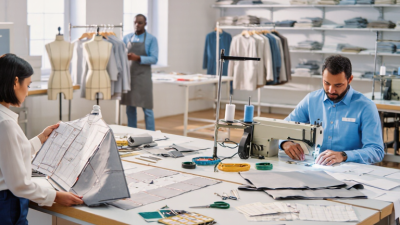
Finding the right cut and sew partner can shape a brand’s quality, margins, and reputation. Cut and Sew Clothing Manufacturing involves more than stitching fabric into finished garments. It requires dependable pattern development, accurate grading, careful fabric handling, and consistent production control. A suitable manufacturer should demonstrate real experience with similar products. Ask to inspect a sample room, review previous work, and examine stitching at stress points. A strong supplier can explain seam allowances, shrinkage testing, fabric defects, and size tolerance without hiding behind vague promises. Request a clear tech pack review. Confirm minimum order quantities, sample fees, production capacity, lead times, and payment terms before making decisions. Small details matter. Look for even topstitching, clean thread trimming, secure labels, and matching patterns across seams. Reliable factories should also document quality inspections and follow applicable workplace, product safety, and environmental requirements. Certifications can support credibility, but they should be verified independently. A certificate alone cannot guarantee excellent garments. Communication deserves equal attention. During sampling, note how quickly the manufacturer answers questions and corrects mistakes. Some delays may reveal weak planning, although every factory can face unexpected problems. No supplier is perfect. The better question is whether concerns are reported early and solved professionally. A practical evaluation should compare several manufacturers, not only the lowest quotation. Cheap production can become expensive after rejected samples, missed launches, or inconsistent sizing. The strongest choice usually balances craftsmanship, transparency, capacity, and responsible business practices. Careful research now can protect both the clothing line and the customers who wear it.
Read more »
Elowen By:Elowen - October 24, 2026
How to Choose a Custom Cushion Cover Supplier in 2026?

How to Choose a Custom Cushion Cover Supplier in 2026?

Choosing a custom cushion cover supplier in 2026 requires more than comparing online prices. A polished product photo can hide weak stitching, unstable fabric, or inconsistent sizing. Buyers should examine the supplier’s sampling process, material records, production capacity, and quality controls. Ask for close-up images of seams, zippers, piping, and print alignment. Then request a physical sample. Debbie McKeegan, a recognized textile designer and digital textile consultant, offers a useful principle: “The best supplier is not always the cheapest; it is the one that protects your design through production.” This idea matters in Custom Cushion Cover Manufacturing, where small errors become expensive across hundreds of covers. A 3-millimeter pattern shift may look minor on one cushion. Across a coordinated collection, it can damage the entire visual balance. Reliable suppliers should explain fabric composition, shrinkage testing, color approval, packaging, and lead times in clear language. They should also welcome reasonable questions instead of avoiding them. Look for documented inspections and consistent communication. A factory tour, video call, or production walkthrough can reveal more than a sales brochure. Some buyers focus too heavily on minimum order quantity. That is understandable, but incomplete. A low minimum does not guarantee dependable quality. A large factory may also overlook small custom details. The better choice depends on your product complexity, target market, and tolerance for rework. No supplier is perfect. Still, careful verification can expose weak processes before money and reputation are at risk.
Read more »
Alric By:Alric - October 19, 2026
Top 10 Custom Hoodie Manufacturing Companies Worldwide

Top 10 Custom Hoodie Manufacturing Companies Worldwide

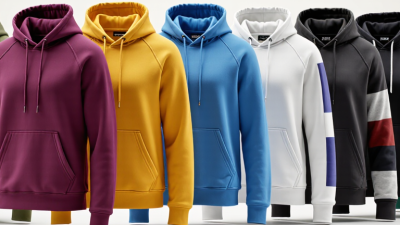
Choosing a reliable partner for Custom Hoodie Manufacturing requires more than comparing prices or browsing polished websites. Fabric weight, stitching quality, printing accuracy, production capacity, and communication can shape the final result. A hoodie may look excellent in a product photo, yet feel thin, shrink unevenly, or lose its print after several washes. This guide examines ten manufacturing companies worldwide through practical business considerations, not marketing language alone. The selection focuses on manufacturing experience, material options, customization services, quality control, minimum order quantities, sampling processes, and delivery capabilities. It also considers how clearly each company explains its production standards and supports buyers during development. Reliable manufacturers usually provide fabric specifications, size charts, decoration samples, and transparent timelines. Small details matter. A clean neckline, reinforced pocket seam, and consistent embroidery can influence customer trust. No global list is completely perfect. Company policies, prices, and capacities may change, while a manufacturer suited to one brand may not suit another. New businesses may prefer low minimum quantities and patient guidance. Established labels may prioritize automation, repeatability, and larger production runs. Readers should verify certifications, sample products, payment terms, and current shipping conditions before placing an order. Direct communication remains essential. A carefully tested sample often reveals problems that a sales presentation hides. This overview offers a practical starting point for comparing leading hoodie manufacturers and making a more informed sourcing decision.
Read more »
Elowen By:Elowen - October 14, 2026
How to Find the Best Custom Hat Manufacturer?

How to Find the Best Custom Hat Manufacturer?

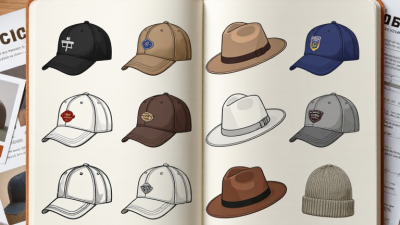
Choosing a custom hat manufacturer can shape your brand’s quality, reputation, and long-term costs. It is not only about finding the lowest factory quote. A reliable partner should understand fabric behavior, crown structure, brim recovery, embroidery limits, and finishing details. These small choices become visible when customers wear the hat. Philip Treacy, a respected milliner, once said, “A hat is a flag, a logo, a prop, a sculpture.” His words explain why Custom Hat Manufacturing requires both technical control and creative judgment. A good manufacturer should turn your sketch into a wearable product, not merely copy an image. Ask for physical samples, production photos, material specifications, and clear inspection standards. Check whether the factory can manage your required quantity, packaging, labeling, and delivery schedule. A polished website is not enough evidence. Look closely. Request references from comparable brands. Review stitching density, seam alignment, sweatband comfort, and color consistency. These details reveal practical experience. Confirm responsible sourcing and compliance with applicable safety, labor, and trade requirements. No supplier is perfect, and early samples may expose weaknesses. That is useful information, not failure. Adjust the design before mass production begins. This guide explains how to compare manufacturers, evaluate quotations, test samples, and reduce avoidable production risks. It also considers communication, minimum order quantities, customization options, and after-sales support. The best decision may not be the cheapest one. It is the partner that consistently protects your design, timeline, and customer experience.
Read more »
Alric By:Alric - October 9, 2026
Top Custom Bra Manufacturing Companies Worldwide

Top Custom Bra Manufacturing Companies Worldwide

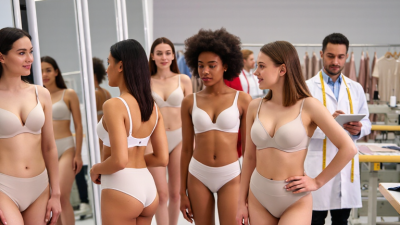
Choosing among the top Custom Bra Manufacturing companies worldwide requires more than comparing prices. A bra may look flawless on a showroom mannequin, yet pinch beneath the arm or lose support after several washes. These small details reveal a manufacturer’s real capability. Heidi Zak, co-founder of ThirdLove, has often described the central challenge simply: “Fit is personal.” That principle should guide every manufacturing decision. Reliable suppliers study body measurements, cup grading, fabric recovery, strap pressure, and closure strength. They also provide clear sampling procedures, production timelines, material records, and quality-control reports. Ask for physical samples. Inspect the seams. Stretch the band repeatedly. Wash the garment before approving bulk production. Strong Custom Bra Manufacturing partners usually combine technical pattern development with flexible production options. They may support small-batch testing, recycled fabrics, adaptive designs, and multiple cup structures. However, a large factory is not automatically the best factory. Communication can fail. Minimum order quantities may change. Sustainability claims may remain difficult to verify. That is an uncomfortable point. This overview evaluates manufacturers through practical evidence, not promotional language. It considers design support, factory experience, production capacity, quality assurance, ethical sourcing, and responsiveness. Public information is sometimes incomplete, so buyers should request current certificates and audit details directly. A responsible decision also requires testing products on diverse bodies, not only reviewing digital drawings. The best supplier is the one that turns accurate measurements into comfortable, durable bras, while remaining transparent when problems appear.
Read more »
Elowen By:Elowen - October 4, 2026
7 Tips for Custom Leather Goods Manufacturing

7 Tips for Custom Leather Goods Manufacturing

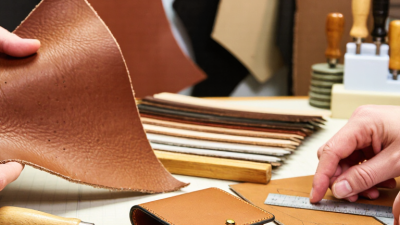
Custom Leather Goods Manufacturing demands more than attractive sketches and premium hides. It requires disciplined decisions at every stage, from material selection to final inspection. A small wallet may reveal large production problems. Uneven grain, weak edge paint, loose stitching, or poorly fitted hardware can damage an entire collection. Nick Horween, a fifth-generation leather maker, has said, “No two hides are exactly alike.” That observation guides responsible manufacturing. Leather is not a perfectly uniform sheet. Its scars, pores, stretch, and color shifts affect cutting and assembly. Experienced manufacturers inspect each hide under clear light before creating cutting patterns. They also test samples for abrasion, stitch strength, edge durability, and hardware corrosion. These details protect both product quality and customer trust. The seven tips in this guide focus on practical control. They cover choosing the right tannery, defining measurable specifications, building useful prototypes, and confirming production tolerances. They also address communication, ethical sourcing, packaging, and quality checks. A polished sample can still hide weaknesses. It may use better leather than the bulk order. It may receive extra handwork. This is where planning must become more honest. There is no flawless manufacturing process. Even skilled teams encounter color variation or unexpected leather movement. The goal is not to erase every natural difference. It is to manage variation carefully, explain it clearly, and deliver consistent value. Strong Custom Leather Goods Manufacturing combines craftsmanship with documented processes, realistic timelines, and continuous reflection. Small corrections made early often prevent expensive failures later.
Read more »
Alric By:Alric - September 29, 2026
2026 Top Custom Jeans Manufacturers for Global Buyers?

2026 Top Custom Jeans Manufacturers for Global Buyers?

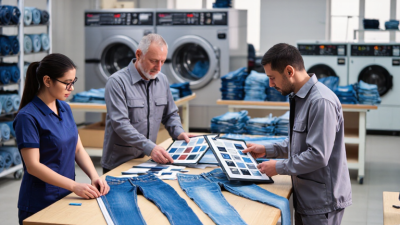
In 2026, global buyers are looking beyond attractive denim photos and low quoted prices. They need manufacturers that can turn a sketch into consistent jeans across repeated production runs. This guide examines leading custom jeans manufacturers for retailers, private labels, workwear brands, and emerging online businesses. It focuses on practical evidence, not polished promises. Factory experience, fabric sourcing, pattern development, washing control, and export communication all matter. So does the ability to explain problems before they become expensive. Custom Jeans Manufacturing involves many small decisions. A buyer may compare 12-ounce and 13-ounce denim, test shrinkage after washing, or inspect bartacks near the front pockets. Reliable suppliers should provide clear samples, measurable size charts, realistic minimum order quantities, and documented quality checks. Buyers should also review relevant certifications, social compliance records, material claims, and production capacity independently. A video call helps, but it cannot replace a physical sample or an audit when the order is substantial. No factory is perfect. Even a capable partner may miss a shade target or revise a delivery date. The stronger manufacturers respond quickly, record corrective actions, and prevent the same defect from returning. This overview weighs those details alongside pricing, lead times, customization range, communication, and long-term reliability. It helps international buyers ask sharper questions and choose with evidence rather than confidence alone. The rankings may still require personal verification. Denim changes under real wear. That matters.
Read more »
Alric By:Alric - September 21, 2026
10 Best Custom T Shirt Manufacturers for Global Buyers?

10 Best Custom T Shirt Manufacturers for Global Buyers?

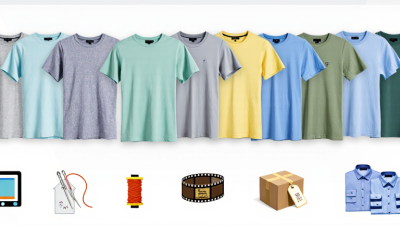
Choosing the right partner for Custom T-Shirt Manufacturing can shape your brand’s quality, margins, and customer trust. Global buyers need more than attractive product photos. They must examine fabric weight, printing accuracy, stitching, production capacity, sample quality, and communication standards. This guide introduces 10 Best Custom T Shirt Manufacturers for Global Buyers. It focuses on suppliers that serve international clients and provide practical customization options. These may include screen printing, embroidery, direct-to-film printing, private labels, custom packaging, and bulk production. A reliable manufacturer should explain its minimum order quantity, sampling process, lead times, payment terms, and quality-control procedures clearly. Details matter. For example, a 180 GSM cotton shirt may suit a summer collection, while a heavier 240 GSM fabric can create a more premium feel. Buyers should also request wash tests and inspect color consistency under natural light. Certifications, factory experience, export history, and responsive service offer useful evidence of reliability. However, no supplier is perfect. A manufacturer may provide excellent printing but have slower sampling, or offer competitive pricing with fewer fabric choices. That trade-off deserves attention. This overview compares important strengths and limitations, rather than treating every company as suitable for every project. Buyers should confirm current capabilities directly, because machinery, pricing, policies, and production schedules can change. A thoughtful decision often begins with a small sample order, clear technical specifications, and honest questions before large-scale production begins.
Read more »
Alric By:Alric - September 21, 2026
What Is Custom Leggings Manufacturing?

What Is Custom Leggings Manufacturing?

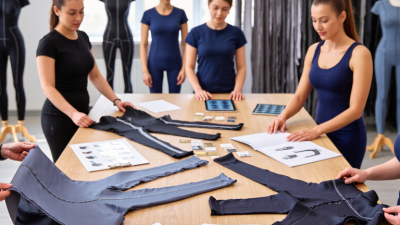
Custom Leggings Manufacturing is the process of creating leggings according to a brand’s specific design, fabric, sizing, and performance requirements. It goes beyond adding a logo to ready-made clothing. Each decision affects comfort, durability, appearance, and production cost. In practice, the process often begins with a technical pack, artwork files, measurements, and fabric selection. Designers may choose nylon-spandex blends for softness, polyester blends for color stability, or recycled fibers for sustainability goals. Fabric weight, stretch recovery, opacity, and moisture management require careful testing. Small differences can change how leggings feel during yoga, running, or daily wear. Factories usually develop a prototype before bulk production. A sample can reveal waistband pressure, seam placement, print distortion, or unwanted transparency. These details are easy to overlook. They should not be. Reliable manufacturers use documented measurements, approved samples, in-line inspections, and final quality checks. They should also explain minimum order quantities, lead times, labeling options, and applicable product safety requirements. Clear communication protects both the buyer and the production team. Still, Custom Leggings Manufacturing is not a perfectly predictable process. Colors may vary slightly between fabric batches, and recycled materials can show natural differences. A thoughtful supplier identifies these risks early instead of promising effortless results. The strongest partnerships combine practical experience, technical knowledge, transparent testing, and honest discussion. This article explores how custom leggings are designed, sampled, produced, inspected, and prepared for the market.
Read more »

Ethan By:Ethan - September 21, 2026