Choosing a custom hat manufacturer can shape your brand’s quality, reputation, and long-term costs. It is not only about finding the lowest factory quote. A reliable partner should understand fabric behavior, crown structure, brim recovery, embroidery limits, and finishing details. These small choices become visible when customers wear the hat.
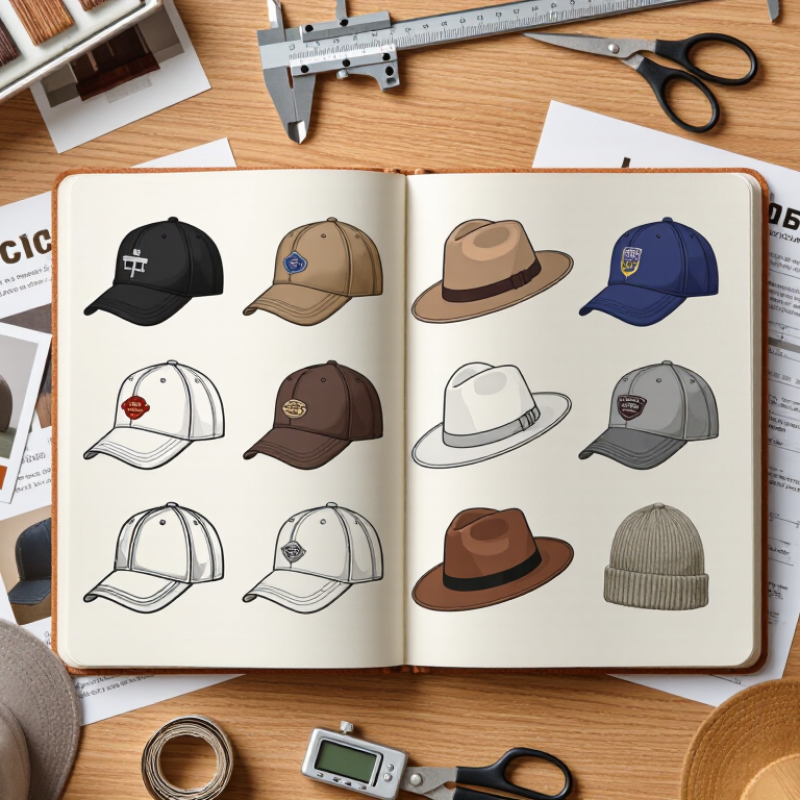
Philip Treacy, a respected milliner, once said, “A hat is a flag, a logo, a prop, a sculpture.” His words explain why Custom Hat Manufacturing requires both technical control and creative judgment. A good manufacturer should turn your sketch into a wearable product, not merely copy an image. Ask for physical samples, production photos, material specifications, and clear inspection standards. Check whether the factory can manage your required quantity, packaging, labeling, and delivery schedule. A polished website is not enough evidence.
Look closely.
Request references from comparable brands. Review stitching density, seam alignment, sweatband comfort, and color consistency. These details reveal practical experience. Confirm responsible sourcing and compliance with applicable safety, labor, and trade requirements. No supplier is perfect, and early samples may expose weaknesses. That is useful information, not failure. Adjust the design before mass production begins.
This guide explains how to compare manufacturers, evaluate quotations, test samples, and reduce avoidable production risks. It also considers communication, minimum order quantities, customization options, and after-sales support. The best decision may not be the cheapest one. It is the partner that consistently protects your design, timeline, and customer experience.
Define the Market with 2024 Hat-Industry Size, CAGR, and Channel Data
How to Find the Best Custom Hat Manufacturer?
The 2024 headwear market is large, but published estimates vary. Grand View Research valued it at about USD 26.5 billion in 2023, with a projected CAGR near 6% through 2030. Fortune Business Insights reported a lower 2024 estimate, around USD 21.9 billion, and forecast approximately 6.4% annual growth through 2032. This gap matters. It shows why manufacturers should define their target market before requesting samples.
Channel data also changes the sourcing decision. Euromonitor reports that physical retail still leads apparel-accessory sales, while online channels continue gaining share through mobile shopping and social commerce. A custom hat manufacturer should therefore support both shelf-ready packaging and direct-to-consumer fulfillment. Ask for fabric certifications, production capacity, defect rates, sample revisions, and realistic minimum order quantities. A low quote can hide weak inspection systems.
Tips: Compare three factories using the same specification sheet. Test embroidery on light and dark fabric. Request a pre-production sample, not only digital artwork. Check whether the supplier can handle seasonal volume without changing materials. Reports provide direction, not certainty; regional demand, pricing, and channel mix may differ sharply. I would not choose a factory from CAGR data alone. Quality records and communication usually reveal more.
Specify 5 Product Variables: Fit, Fabric, Brim, Decoration, and Packaging
How to Find the Best Custom Hat Manufacturer?
Specify five product variables before comparing manufacturers: fit, fabric, brim, decoration, and packaging. Fit should include head circumference, crown height, closure range, and tolerance. Request a physical sample, not only a size chart. A 2023 Grand View Research report estimated the global headwear market at about USD 26.5 billion. That scale encourages volume production, but fit errors still create costly returns.
Fabric choices should match climate and use. Cotton offers a familiar hand feel, while recycled polyester can improve moisture management. Textile Exchange reported that recycled polyester represented a significant share of global polyester production in 2022, yet traceability remained uneven. Ask for fiber content, fabric weight, colorfastness, and test records.
Brim shape also matters. Specify length, stiffness, curve, stitching rows, and recovery after bending. Small differences change the hat’s appearance.
Decoration requires practical testing. Define embroidery density, patch thickness, print position, thread colors, and washing limits. Ask for a decorated sample under normal lighting.
Packaging should protect the brim without adding unnecessary material. The Ellen MacArthur Foundation reports that only about 9% of plastic waste has been recycled globally. Choose recyclable cartons, reduced inserts, and clear material labeling where available.
I would also test packaging compression. A neat box can still fail during transport. Supplier claims are useful, but independent inspection is safer.
Compare MOQ, Lead Time, Capacity, and Quote Data Across Manufacturers
How to Find the Best Custom Hat Manufacturer?
A reliable comparison starts with identical specifications. Send each manufacturer the same hat style, fabric, color, logo size, embroidery count, packaging, and delivery address. Otherwise, quote differences become misleading. Record the MOQ beside the unit price. A low MOQ may suit a test order, while a higher MOQ can reduce the per-hat cost. Check whether sample quantities count toward the final order.
Lead time needs careful breakdown. Ask for separate dates for sampling, production, inspection, and shipping. A factory promising ten-day production may still need three weeks for materials. Request the current production schedule, not only a standard estimate. Capacity also matters. Ask how many hats the facility can produce weekly and how many orders are already booked. A small workshop may offer closer communication, but capacity can tighten during seasonal demand.
Compare every quote line by line. Include sample fees, digitizing charges, setup costs, packaging, freight, taxes, payment terms, and revision limits. Ask what happens if the approved sample differs from bulk production. Keep these answers in one spreadsheet. My first comparison focused too heavily on unit price, and the final landed cost was higher than expected. That mistake changed my process. Now I score price, communication speed, quality evidence, capacity, and schedule reliability together. A manufacturer with the cheapest quote is not always the safest choice. Sometimes, the clearest quote is the best signal.
Audit Samples with AATCC Colorfastness and ASTM Performance Standards
How to Find the Best Custom Hat Manufacturer?
Audit Samples with AATCC Colorfastness and ASTM Performance Standards
A strong sample should survive more than a showroom inspection. Ask the manufacturer for colorfastness testing under relevant AATCC methods. Laundering, crocking, perspiration, and light exposure can reveal hidden dye problems. Rub a white cloth across the brim and sweatband. A faint stain deserves investigation. Review test dates, fabric lots, washing conditions, and pass criteria. Do not accept a generic certificate without matching the tested material to your sample.
Tips: Keep one approved sample as a control. Photograph the crown, stitching, closure, and inner label before production. Then compare the first bulk unit against it. ASTM performance methods can help assess abrasion, seam strength, dimensional stability, and water resistance. Choose tests based on the hat’s actual use. A work hat needs different evidence than a lightweight fashion cap. The factory should explain its sampling plan and retain production records.
Practical experience also matters. Inspect uneven embroidery, loose threads, warped brims, and sweat marks after wear testing. Ask whether rejected pieces are recorded and corrected. A reliable manufacturer will discuss weak points instead of promising perfection. Still, no test predicts every real-world failure. Humidity, repeated washing, and careless storage may change results. That uncertainty should be documented, not ignored. Supplier communication, traceability, and honest retesting often reveal more than a polished sample.
Select by Landed Cost, Compliance Certificates, and Defect-Rate Evidence
How to Find the Best Custom Hat Manufacturer?
Select by Landed Cost, Compliance Certificates, and Defect-Rate Evidence
A low factory quote can hide expensive surprises. Compare landed cost, not unit price. Include sampling, tooling, packaging, freight, duties, inspection fees, and payment charges. Ask for a shipment-based estimate using your destination, carton dimensions, and order quantity. My early sourcing mistake was ignoring volumetric freight. The hats looked affordable until delivery nearly doubled the budget.
Request compliance certificates that match the product, materials, and destination market. Check the laboratory name, test date, report number, and product description. A certificate copied from another style proves little. Confirm whether testing covers dyes, metal parts, children’s components, or packaging, when relevant. Keep the documents with your purchase records. Certificates also need renewal when materials or production sites change.
Defect-rate evidence should be measurable. Ask for recent inspection reports, production quantities, rejected units, and defect categories. A claim of “excellent quality” is not evidence. Compare major, minor, and critical defects against an agreed inspection standard. Review photos of stitching, embroidery alignment, sweatbands, and brim shape under normal lighting. Then order a pre-production sample and a random final inspection.
Trust is built through records.
Still, no spreadsheet predicts every problem. Humidity can affect cartons, colors may vary between batches, and rushed approvals create avoidable errors. Select a manufacturer that explains these risks clearly, corrects mistakes with documented actions, and accepts independent verification before shipment.
How to Find the Best Custom Hat Manufacturer?
Compare suppliers by landed cost, compliance evidence, and verified defect-rate records—not by unit price alone.
Landed cost includes the quoted product price, estimated freight, duties, and inspection cost per hat. Compliance evidence is scored from 0–100 based on valid certificates, scope matching, and document recency. Defect rate is based on documented pre-shipment inspection results; lower is better. Use the same calculation method when comparing supplier quotations.
FAQS
Define fit, fabric, brim, decoration, and packaging first. Include head circumference, crown height, closure range, and size tolerance. Request a physical sample. A chart can mislead.
Measure the inner circumference and crown height. Test the smallest and largest closure settings. Compare the sample on several head sizes. Record pressure points, looseness, and visual balance. Small errors can create returns.
Choose fabric according to climate, activity, and care needs. Cotton provides a familiar hand feel. Recycled polyester may support moisture management. Request fiber content, fabric weight, colorfastness results, and test records. Traceability may still be incomplete.
Confirm brim length, stiffness, curve, stitching rows, and recovery after bending. Bend the brim repeatedly, then check its shape. A slightly different curve changes the entire appearance. This detail is easy to underestimate.
Specify embroidery density, patch thickness, print position, and thread colors. Request a decorated sample under normal lighting. Inspect loose threads and uneven edges. Test washing limits before approval. A polished sample may hide weak construction.
Packaging should protect the brim during compression and transport. Test stacked cartons with realistic pressure. Prefer recyclable cartons and fewer inserts where practical. Clear material labeling can improve sorting. A neat box can still fail.
Use recognized textile tests for laundering, rubbing, perspiration, and light exposure. Performance checks may cover abrasion, seam strength, dimensional stability, and water resistance. Match each test to actual use. A work hat needs different evidence from a lightweight cap.
Keep one approved sample as a control. Photograph the crown, stitching, closure, and inner label. Compare the first bulk unit against those images. Review fabric lots, test dates, and washing conditions. Do not rely on memory.
Ask how rejected pieces are recorded, corrected, and retested. Inspect warped brims, sweat marks, uneven stitching, and loose threads after wear. Honest manufacturers should discuss weak points. Perfection is unlikely. Humidity and careless storage can change results. That uncertainty needs documentation.
Conclusion
Finding the right partner for Custom Hat Manufacturing starts with a clear understanding of the market. Review 2024 industry size, growth rate, and sales-channel data to identify demand, customer preferences, and realistic production goals. Then define the product in detail, including fit, fabric, brim shape, decoration method, and packaging requirements. These specifications help manufacturers provide comparable proposals and reduce misunderstandings during development.
Next, compare manufacturers using practical evidence rather than promises. Evaluate minimum order quantities, lead times, production capacity, and quotation details, including tooling, sampling, shipping, and other possible costs. Audit samples for construction quality, sizing accuracy, color consistency, and durability through relevant AATCC colorfastness and ASTM performance tests. Finally, make a decision based on total landed cost, compliance certificates, quality-control procedures, and documented defect-rate performance. A reliable manufacturer should offer transparent communication, repeatable production standards, and sufficient capacity to support both current orders and future growth.