High-performance athletic wear, luxury heavyweight knits, tailored denim, and engineered seamless garments produced under audited ISO/SEDEX quality standards.
Navigating the global apparel ecosystem requires more than just low unit prices. It demands strict pattern accuracy, transparent ethical compliance, and robust quality management systems.
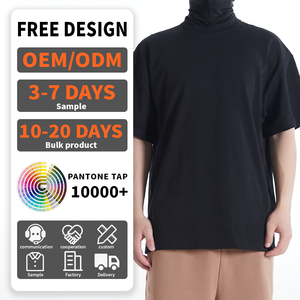
Traditional factories require 1,000+ units per style, locking capital into unsold inventory. Our flexible cut & sew infrastructure allows emerging brands and enterprise retailers to test market demand with low minimum order quantities starting at just 50 pieces per style.
We bridge the gap between initial design sketches and final retail shelf presentation. Our internal engineering department converts rough concepts into detailed technical packages with precise measurement specs, grading rules, and stitch configurations.
Quality failures erode brand reputation. Our manufacturing operations enforce three-stage quality gates—raw material shade matching, in-line sewing verification, and final AQL 2.5 statistical audits prior to container sealing.
The global apparel industry is undergoing a structural transition toward technical functionalism, sustainable textile engineering, and circular design.
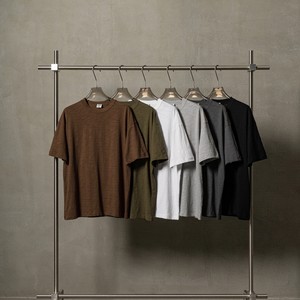
In streetwear and premium casualwear, consumer preference has decisively shifted away from lightweight 150 GSM promotional tees toward 220 GSM to 360 GSM combed cotton fabrics. Buyers demand structured silhouettes, drop-shoulder cuts, and tactile handfeel.
Additionally, specialized garment washing techniques—such as acid wash, ozone bleaching, and enzyme stonewashing—have become standard requirements. Chinese manufacturing facilities lead in implementing closed-loop water treatment systems that deliver distressed aesthetics while maintaining compliance with international environmental standards.


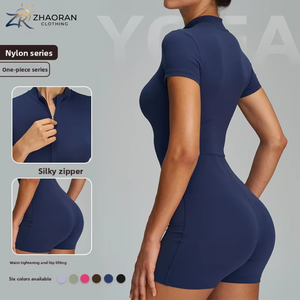
The activewear market now requires technical attributes once reserved for elite performance gear: four-way stretch, squat-proof opacity, gusseted crotch construction, and flatlock anti-chafing seams.
Advanced Chinese factories utilize circular knitting machinery capable of integrating zone-compression, moisture management, and ventilation channels directly into the fabric matrix. Eco-friendly recycled nylon (Econyl) and post-consumer GRS-certified polyester are rapidly replacing virgin synthetics in corporate procurement orders.
Denim manufacturing has evolved beyond traditional chemical potassium permanganate sprays. Modern suppliers deploy laser-engraving technology and nanobubble wash machines to reproduce authentic whiskering and distressing with 90% less water usage.
Fabric compositions are also blending organic cotton with stretch TENCEL™ Lyocell and recycled elastane, delivering superior shape recovery while meeting global corporate sustainability guidelines.

How leading fashion brands, ecommerce sellers, and corporate buyers are adapting their supply chain strategies for 2025 and beyond.
Rather than placing massive seasonal orders 9 months in advance, brands now launch small initial runs of 50-200 units to gauge social media and storefront conversion rates, placing automated replenishment reorders for winning styles with 15-day turnaround times.
Physical proto-sample iterations add weeks to product development. Leading China apparel factories now leverage 3D CAD software (CLO 3D / Browzwear) to render hyper-realistic drape, tension, and fit visualizers on digital avatars before cutting physical cloth.
With EU and North American regulations tightening around greenwashing and supply chain transparency, apparel suppliers are providing mill-to-garment yarn traceability certificates, OEKO-TEX passports, and carbon footprint tracking for every production lot.
Use this baseline technical data sheet when preparing your tech packs and RFQs for factory submission.
| Garment Category | Standard Fabric Weight (GSM / Oz) | Key Customization Options | Sample Lead Time | Bulk Lead Time (50-500 pcs) |
|---|---|---|---|---|
| Heavyweight T-Shirts | 200 – 300 GSM (100% Combed Cotton) | Screen Print, Puff Print, Vintage Wash, Custom Neck Tags | 5 – 7 Days | 12 – 18 Days |
| Hoodies & Sweatshirts | 350 – 500 GSM (French Terry / Fleece) | Heavyweight Embroidery, Custom Zipper Pulls, Ribbing | 7 – 10 Days | 15 – 22 Days |
| Seamless Activewear & Yoga | 220 – 300 GSM (Nylon/Spandex Blend) | Heat-Transfer Logo, Silicone Grip Bands, Mesh Panels | 8 – 12 Days | 18 – 25 Days |
| Custom Denim & Jeans | 11 – 14.5 Oz (Rigid / Stretch Denim) | Laser Distressing, Custom Leather Back Patches, Rivets | 10 – 14 Days | 22 – 30 Days |
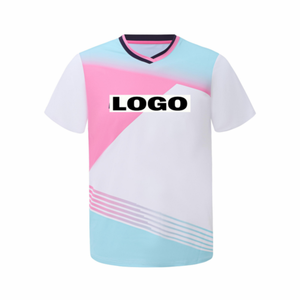
| Performance Teamwear | 140 – 180 GSM (Dry-Fit Polyester) | Full All-Over Sublimation, Player Name/Number Customization | 5 – 7 Days | 12 – 16 Days |
Direct answers from our senior apparel production directors regarding minimums, tech pack preparation, quality audits, and international shipping.
Our standard baseline MOQ is 50 pieces per style, which can be split across standard sizing runs (e.g., S, M, L, XL, XXL) and up to two colorways depending on fabric availability. Basic knitted items like t-shirts and hoodies utilize stocked luxury yarn inventories to support 50-piece minimums. Specialized technical garments such as selvedge denim, wired lingerie, or custom-dyed synthetic activewear typically require 100 to 150 pieces per style due to mill fabric dyeing minimums.
The timeline is structured into two main phases:
1. Sampling Phase (7–12 working days): Pattern drafting, digital 3D mockup approval, proto-sample creation, and courier delivery to your office.
2. Bulk Production Phase (15–25 working days): Fabric cutting, printing/embroidery decoration, sewing, and final AQL 2.5 quality control inspection.
Express air shipping via DHL/FedEx takes an additional 3–6 business days, while ocean freight to North America or Europe takes 25–35 days.
Yes. A large portion of our emerging brand clients submit physical reference garments, high-resolution photographs, or basic vector sketches. Our in-house apparel design team converts your visual references into a production-ready technical package—specifying fabric GSM, thread count, Pantone TCX color codes, measurement charts, and stitch construction lines—at no extra charge upon deposit.
We strictly adhere to the international AQL 2.5 (Acceptable Quality Limit) standard. Quality inspection is conducted at three distinct stages: incoming fabric inspection (GSM checking, shade matching, shrinkage testing), in-line sewing checks, and final pre-shipment auditing (checking seam strength, print adhesion, thread trimming, measurement tolerances within +/- 1cm, and barcoded polybagging). Full inspection reports and video reviews are provided prior to final balance payment.
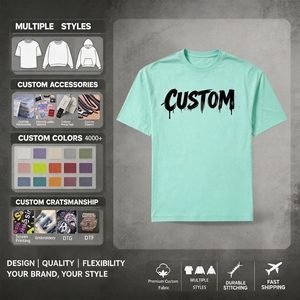
Absolutely. Full-package manufacturing (FPP) includes complete brand customization. We produce and attach custom woven main labels, satin care labels compliant with US/EU labeling laws, heat-transfer inner neck prints, custom printed hangtags, silicone hem badges, and eco-friendly frosted zip-lock polybags or biodegradable mailer bags.
Yes. We work under both FPP (Full Package Production) and CMT (Cut, Make, Trim) arrangements. If you have an existing textile mill agreement, we can take delivery of your fabric. Alternatively, we maintain direct partnerships with audited mills offering OEKO-TEX Standard 100 certified cotton, GOTS organic cotton, GRS recycled polyester, and FSC-certified viscose.
Whether you need a 50-piece sample order for an upcoming brand launch or full container bulk manufacturing, our merchandising engineering team is ready to review your tech pack today.