Engineered for global fashion brands, e-commerce labels, and sportswear importers requiring low MOQ flexibility, tech pack precision, and certified quality.
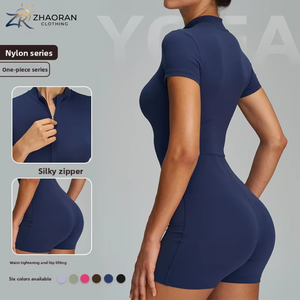
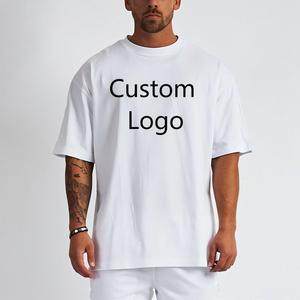
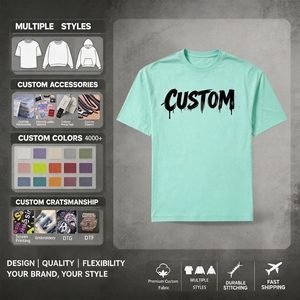
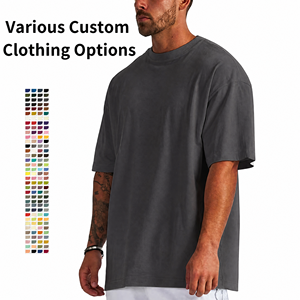
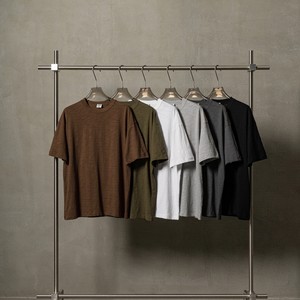
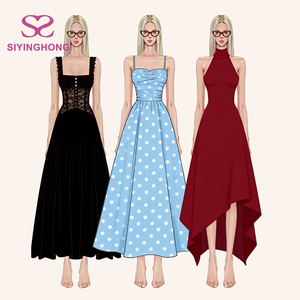
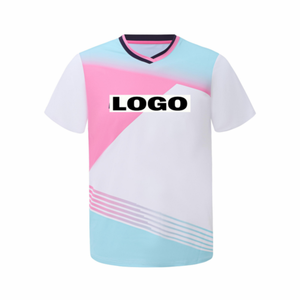
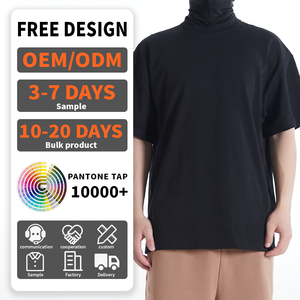
Moving beyond basic OEM contract sewing: Full-Package Production (FPP) designed to eliminate supply chain friction, maintain strict specification control, and maximize profit margins for international apparel labels.
Navigating minimum order thresholds has historically been the largest barrier for emerging brands. By streamlining modular cut-and-sew lines, modern Chinese custom garment factories offer tier-one low MOQs starting at 50 pieces per style. Brands can test niche market segments, validate oversized street tees or technical yoga rompers, and scale directly into high-volume manufacturing without locking up liquid capital in excess inventory.
Splitting pattern creation, textile milling, screen printing, and private labeling across separate sub-contractors introduces exponential quality risks. Full-Package Production consolidates tech pack drafting, raw fabric sourcing, grading, inline sewing, customized embroidery, heat-transfer tags, and polybag packaging into a single centralized factory workflow. This single-source responsibility guarantees consistent size tolerances and colorway matching across all bulk runs.
Compliance and transparency are essential for contemporary retail positioning. Premium apparel factories adhere to international ESG directives, integrating OEKO-TEX Standard 100 non-toxic dyes, USDA Certified Organic Cotton, and GRS (Global Recycled Standard) polyesters. Combined with SEDEX social audit compliance and rigorous AQL 2.5 final inspection protocols, brands gain audited assurance that garments satisfy North American and European regulatory thresholds.
How global apparel sourcing is shifting from massive forward buying to agile, data-backed supply networks and sustainable textile architecture.
The global textile procurement landscape is undergoing a structural paradigm shift. Macroeconomic volatility, rising freight overheads, and rapidly evolving consumer micro-trends have exposed the vulnerabilities of traditional 6-month legacy production cycles. B2B apparel buyers, private label brands, and international importers must realign their sourcing matrices around three core procurement trends driving the next decade of garment production.
Brands are reducing initial seasonal order volumes by up to 40%, opting instead for rapid test-and-repeat models. By pairing small test runs (50–100 units) with digital fabric stocking, China manufacturers can execute quick-turn bulk reorders within 12 to 15 business days, drastically lowering inventory carrying costs and markdowns.
Regulatory initiatives such as the EU Digital Product Passport (DPP) are shifting sustainable fabrics from a marketing luxury to a compliance requirement. Procurement leads are actively prioritizing suppliers offering traceable recycled nylon/spandex activewear blends, organic Pima cotton, and water-efficient eco-viscose bases.
Direct-to-Film (DTF), high-density 3D puff silicone, and water-based screen printing are converging with automated digital workflows. Modern custom suppliers now support multi-artwork collection drops within a single cut-and-sew master batch, catering to the surge in vintage heavyweight streetwear and customized teamwear.
From 3D digital pattern CAD rendering to high-performance activewear bonding, explore the engineering capabilities powering modern custom clothes production.
Traditional sample iterations often require two to three physical fitting rounds, extending pre-production timelines by 30+ days. By adopting 3D CAD modeling software (such as CLO3D and Browzwear), specialized China clothing suppliers generate photo-realistic 3D digital garment renders mapped directly onto custom virtual avatars. This allows precise evaluation of fabric drape, stretch coefficient, stress tension, and pattern grading before a single yard of fabric is cut, cutting physical sampling cycles by more than half.
The boundary between leisure apparel and performance sportswear has permanently blurred. Manufacturing complex items like one-piece yoga jumpsuits, squat-proof activewear leggings, or ergonomic athletic bras demands specialized 4-way stretch nylon/spandex formulations (220–320 GSM). Facilities utilize stitch-free ultrasonic bonding, flatlock seam construction, and moisture-wicking capillary treatments to minimize chafing while maximizing tensile recovery across high-impact stress points.
| Garment Category | Recommended Fabric Specs | Customization Options | Standard Lead Time | Target MOQ |
|---|---|---|---|---|
| Heavyweight T-Shirts | 100% Combed Cotton, 220–280 GSM Single Jersey / Slub | Screen Print (Discharge/Puff), DTG, Vintage Wash, Custom Neck Tag | 7–10 Days Sample / 15 Days Bulk | 50 Pcs |
| Activewear & Rompers | 75% Nylon / 25% Spandex, 240–300 GSM 4-Way Stretch | Flatlock Stitching, Heat-Transfer Logo, Removable Pads, Gusseting | 8–12 Days Sample / 18 Days Bulk | 50 Pcs |
| Custom Hoodies & Sweats | 80% Cotton / 20% Poly, 350–450 GSM French Terry / Fleece | 3D Puff Embroidery, Chenille Patch, Custom Aglets, Kangaroo Pocket | 8–12 Days Sample / 20 Days Bulk | 50 Pcs |
| Teamwear & Sportswear | 100% Recycled Polyester Mesh, Quick-Dry Moisture Wicking | All-Over Sublimation Printing, Tackle Twill, Custom Ribbing | 7–10 Days Sample / 15 Days Bulk | 50 Pcs |
| Custom Denim & Trousers | 9–14 oz Rigid or Stretch Cotton Denim, Corduroy | Enzyme Wash, Distressing, Custom Leather Back Patch, Rivets | 10–15 Days Sample / 25 Days Bulk | 100 Pcs |
Detailed answers to critical technical, logistical, and commercial inquiries faced by overseas buyers sourcing from China custom apparel factories.
Our standard baseline MOQ starts at 50 pieces per style, which can typically be split across multiple standard size increments (e.g., S, M, L, XL) and up to two colorways depending on fabric availability. For basic knit items such as 100% cotton oversized tees, gym tops, and activewear sets, 50 pieces is fully supported. For heavily engineered denim garments, structured outerwear, or specialized molded-cup bras, MOQs generally start at 100 pieces per style to maintain cost efficiency during cutting and washing operations.
The complete production cycle consists of two primary phases: Pre-Production Prototyping and Bulk Manufacturing. Pattern drafting and first proto sample creation take 7 to 12 working days. Once the physical sample is inspected, fitted, and formally approved by your team, bulk manufacturing for orders between 50 and 1,000 units requires 15 to 25 working days. International express air freight (DHL/FedEx/UPS) typically adds 3 to 7 days, whereas ocean freight shipping requires 25 to 35 days depending on the target port of entry.
Ideal tech packs should include vector artwork files (AI, PDF, or high-res EPS), Pantone (TCX/TPX) color codes, detailed measurement specification charts, material fabric weight preferences (GSM), stitch construction preferences, and label placement diagrams. However, if you are a start-up founder with only physical reference garments, sketches, or mood boards, our internal engineering team can develop a production-ready tech pack and CAD size grading sheet for your written approval prior to cutting sample fabric.
Yes, full private labeling integration is a core component of our Full-Package Production service. We manufacture custom woven main labels, satin care labels compliant with US/EU FTC labeling guidelines, heat-transfer inner neck prints, custom die-cut hangtags, and branded eco-friendly polybags or zip-lock frosted mailers. All labeling and barcode sticker applications are performed in-house prior to final carton sealing for seamless retail distribution.
We strictly implement a multi-stage Quality Assurance framework aligned with AQL 2.5 standards. Quality control occurs across three distinct checkpoints: 1) Raw Material Inspection (testing fabric roll shrinkage, color fastness, GSM weight, and weave consistency); 2) Inline Production Audits (checking seam strength, print alignment, stitch density per inch, and trim attachment); and 3) Pre-Shipment Inspection (comprehensive measurement verification against approved tech packs, thread trimming, and barcode scan audits). Photo and video inspection reports are provided before dispatch authorization.
Absolutely. We maintain a large network of mill partners providing certified sustainable textiles. Our material catalog includes OEKO-TEX Standard 100 certified non-hazardous cottons, USDA Organic Cotton, GRS-certified Recycled Polyester (made from post-consumer plastic bottles), Recycled Nylon/Spandex, Bamboo Viscose, and Premium Pima Cotton. Mill test certificates are available upon request for brand compliance documentation.
Partner with China's leading custom apparel manufacturing experts. Send us your design concept, tech pack, or reference photo, and our merchandising specialists will prepare a detailed cost breakdown and production schedule within 24 hours.