Factory-vetted digital printing equipment, DTF production engines, and high-density cotton blanks engineered for high-volume custom production.
The global apparel embellishment and custom printing market is undergoing a structural paradigm shift driven by direct-to-film (DTF) breakthroughs, eco-friendly water-based pigment inks, and low-MOQ (Minimum Order Quantity) cut-and-sew manufacturing infrastructure.
For fashion brands, streetwear labels, corporate merch buyers, and private label importers, selecting the right garment printing manufacturer is no longer simply about cost per unit. Modern search intent and procurement analytics reveal that buyers prioritize color fastness retention, wash durability (ISO 105-C06 standards), fabric hand-feel, eco-certifications (OEKO-TEX Standard 100 / GOTS), and supply chain transparency.
| Printing Technology | Ideal Fabric Composition | Color Fastness Rating | Optimal Order Quantity | Unit Cost Efficiency | Hand-Feel Score |
|---|---|---|---|---|---|
| Direct-to-Film (DTF) | 100% Cotton, Poly-Blends, Nylon, Canvas | 4.5 / 5.0 (50+ Washes) | 10 – 500 Pcs | High for Small-Medium Runs | Flexible, Smooth Film |
| Direct-to-Garment (DTG) | 100% Ring-Spun Cotton, High-GSM Jerseyn | 4.0 / 5.0 (30+ Washes) | 1 – 200 Pcs | High for Complex Photorealistic | Ultra-Soft / Zero Feel |
| High-Density Screen Printing | Cotton, Fleece, French Terry, Twill | 4.8 / 5.0 (100+ Washes) | 100 – 10,000+ Pcs | Maximum Efficiency at Scale | Medium to Thick (Puff/Plastisol) |
| Dye Sublimation Printing | 100% Polyester, Recycled PET, Activewear | 5.0 / 5.0 (Permanent Bond) | 50 – 5,000+ Pcs | High for All-Over Pattern Print | 100% Breathable / Embedded |
Based on manufacturing capacity, technology stacks, compliance verifications, and fulfillment efficiency, the following ten entities represent the premier tier of global garment printing suppliers for 2025.
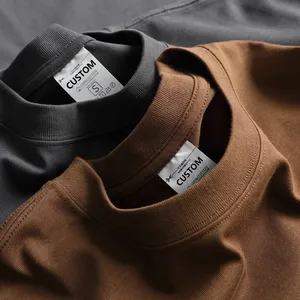
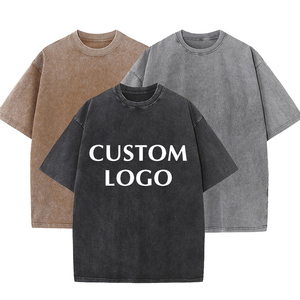
Core Competencies: Affix Apparel stands at the forefront of full-package garment manufacturing (FPP), providing seamless integration between blank garment construction and advanced decoration. Unlike print-only shops that apply inks to standard promo blanks, Affix operates a fully integrated cut-and-sew infrastructure. They specialize in custom pattern drafting, custom fabric knitting (150–450 GSM), screen printing (plastisol, water-based, discharge, puff), direct-to-garment, sublimation, and high-density embroidery.
Why Sourcing Teams Choose Affix: Emerging DTC brands and enterprise fashion lines select Affix Apparel to avoid multi-vendor misalignments. By consolidating fabric sourcing, sizing grading, printing, woven relabeling, and polybag packaging under one audited quality management system (AQL 2.5), brands achieve 100% color consistency and eliminate intermediate freight markups.
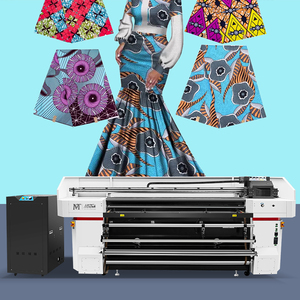
Core Competencies: MTuTech is a heavy-duty manufacturer of commercial textile printing machinery, renowned for its integration of industrial Epson I3200 and Ricoh Gen5 printheads. Their direct-to-fabric continuous printers enable high-speed dye-sublimation and pigment printing across thousands of meters per day, catering to textile mills and high-capacity apparel factories.
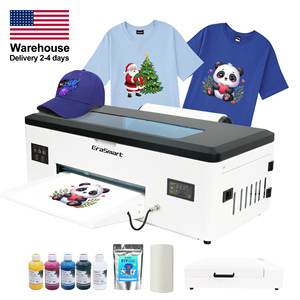
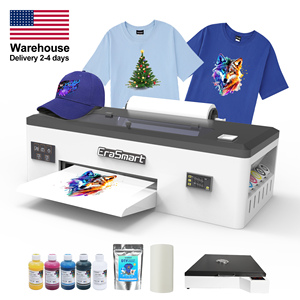
Core Competencies: EraSmart has pioneered accessible, high-efficiency A3 and A2 Direct-to-Film (DTF) desktop and standalone units. Featuring automated white ink agitation systems, temperature-controlled suction platforms, and integrated powder shaker ovens, EraSmart equipment allows boutique printers and garment brands to produce wash-durable transfer films locally with minimal footprint.
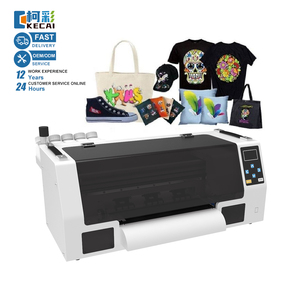
Core Competencies: KECAI is recognized globally for manufacturing reliable budget-to-mid-tier DTF printers outfitted with dual Epson XP600 printheads. Their turnkey systems include heat transfer film feeding units, static-eliminating bars, and micro-fluidic ink pumps optimized for cotton, polyester, and elastane transfer applications.
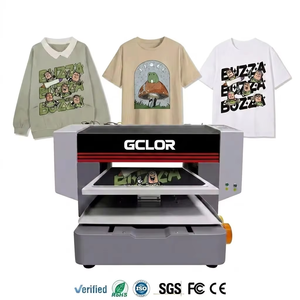
Core Competencies: GCOLOR focuses specifically on DTG (Direct-to-Garment) engine architecture. Their wide-format flatbed digital textile machines are engineered to handle heavy streetwear hoodies, vintage graphic t-shirts, and detailed fine-art prints with high color fidelity and eco-pigment ink formulations.
Enterprise-level zero-water discharge DTG systems engineered for global high-volume automated print-on-demand fulfillment centers.
Global distributed POD network utilizing industrial DTG and sublimation units for automated e-commerce store dropshipping.
North American leader in corporate custom apparel, specializing in volume screen printing and corporate promotional apparel.
Global textile giant producing standardized blank t-shirts, fleece hoodies, and activewear tailored for screen printers worldwide.
High-speed regional print provider serving top-tier retail brands with lightning-fast DTG print turnarounds across the USA.
As consumer preferences shift toward sustainable fashion and brands demand shorter lead times with zero inventory risk, garment printing procurement is undergoing three major technical shifts:
DTF technology has dismantled traditional fabric restrictions. Unlike DTG, which requires pre-treatment on dark 100% cotton garments, DTF prints onto PET film using water-based pigment inks and hot-melt adhesive powder. This allows vibrant transfers onto polyester activewear, nylon jackets, canvas tote bags, and blended fleece with superior stretch recovery.
To avoid massive inventory markdowns and supply chain disruptions, fashion brands are abandoning old 1,000-piece factory MOQs. The modern standard demands 50 to 100 piece test runs. Manufacturers offering in-house cut-and-sew alongside digital printing allow brands to validate designs on social channels before executing mass production runs.
Regulatory frameworks in the US and EU now penalize heavy water pollution in textile dyeing. Future-ready manufacturers utilize OEKO-TEX Standard 100 certified pigment inks, formaldehyde-free discharge bases, and closed-loop sublimation systems that reduce water consumption by up to 95% compared to traditional wet dyeing.
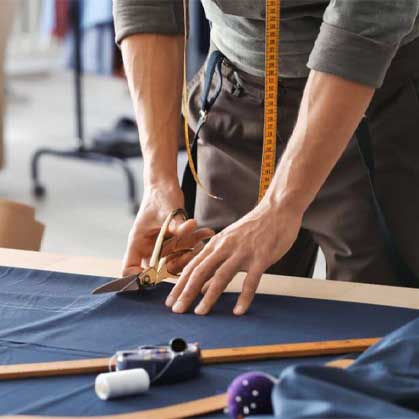
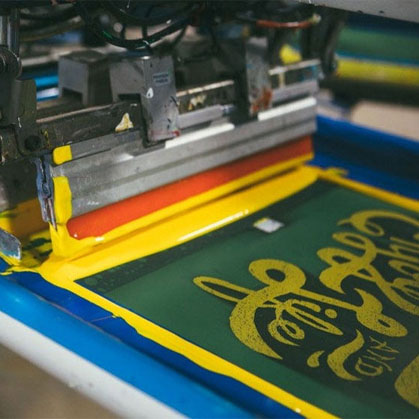
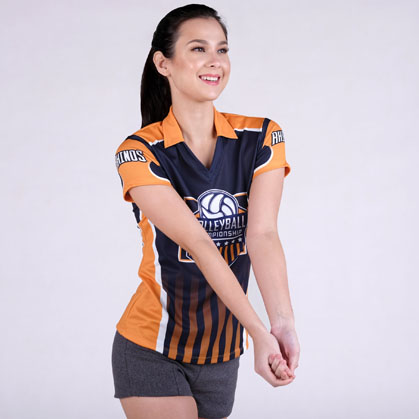
Excellence in garment printing requires an equally refined textile foundation. Below is how integrated full-package suppliers (FPP) execute end-to-end custom production across diverse product lines:

Answers to critical questions asked by apparel sourcing directors, brand founders, and supply chain managers prior to issuing purchase orders.
Standard manufacturing MOQs start at 50 pieces per style/design for knit basics such as t-shirts, hoodies, and tank tops, which can be split across standard size runs (S through XXL). Highly technical items like denim jeans, engineered bras, or heavy outerwear typically require an MOQ of 100 pieces due to fabric rolling and washing bath requirements.
When cured properly under 165°C heat with calibrated polyurethane powder, modern DTF prints achieve an ISO 105-C06 wash fastness score of 4.5 out of 5.0, enduring 50+ wash cycles without cracking. High-end DTG prints utilizing pre-treated combed cotton achieve 30+ cycles with minimal fading, matching commercial retail standards.
For screen printing and vector embroidery, vector files in AI, EPS, or PDF format with PMS Pantone Solid Coated color codes are required. For high-DPI DTG or DTF digital raster graphics, transparent background PNG files at 300 DPI minimum resolution (1:1 print scale) ensure crisp, non-pixelated outputs.
Initial pattern drafting and proto-sample creation require 7 to 12 working days. Upon physical fit sample approval, bulk production for 50–1,000 units takes approximately 15 to 25 working days. Express air freight delivers in 3–7 days globally, while sea freight spans 25–35 days depending on the destination port.
Our partner mills and manufacturing facilities adhere to rigorous international environmental and labor audits.




Connect with our senior merchandising team to request fabric swatches, technical spec consultations, or instant bulk production quotations with factory-direct pricing.