Explore our factory-direct bulk apparel solutions featuring high-density woven labeling, custom cut & sew specifications, and eco-certified textiles.
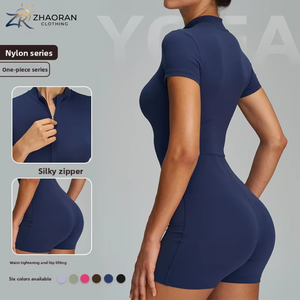
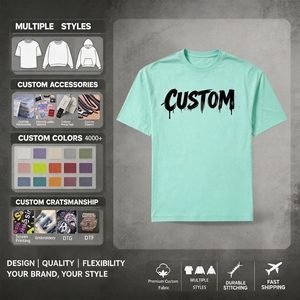
Verified empirical data metrics derived from leading OEM/ODM textile facilities and auditing protocols.
An authoritative whitepaper report on brand identity, weaving technologies, and supply chain audit standards.
In the contemporary fashion ecosystem, a woven label is far more than a regulatory requirement for fiber composition and wash care instructions; it is the physical touchpoint of brand equity, tactile quality, and supply chain authenticity. For fashion startups, luxury streetwear labels, and corporate apparel brands, sourcing from a top-tier woven label factory directly impacts customer retention, perceived market value, and compliance with emerging international sustainability mandates.
As global retail shifts toward digital product passports (DPP) and heightened consumer scrutiny regarding material sourcing, apparel procurement managers must evaluate woven label suppliers using rigorous E-E-A-T (Experience, Expertise, Authoritativeness, and Trustworthiness) criteria. High-density damask weaving, soft ultrasonic edge cutting, recycled polyester yarns (rPET), and smart RFID integration represent the cornerstone capabilities of modern label manufacturing facilities.
Selecting the optimal weave structure requires balancing design complexity, yarn density, skin-contact feel, and unit cost. Below is an engineering evaluation of the primary weave technologies employed by global manufacturers:
| Weave Type | Yarn Density & Denier | Surface Texture & Finish | Best Application | Durability Score |
|---|---|---|---|---|
| Damask (High-Density) | 50D - 100D Fine Polyester | Smooth, crisp logo definition, semi-matte | Luxury streetwear, outerwear, main neck labels | 9.8 / 10 |
| Satin Woven | 75D - 150D Glossy Filament | Ultra-soft, shiny, silky tactile touch | Intimates, luxury womenswear, baby clothing | 9.2 / 10 |
| Taffeta Woven | 100D - 300D Ribbed Weave | Stiff, textured, budget-friendly baseline | Workwear, wash care tags, luggage, footwear | 9.5 / 10 |
| Tubular / Center Fold | Custom Composite Weave | Seamless edges, zero skin friction | Activewear, seamless rompers, athletic tees | 9.6 / 10 |
| Smart RFID Woven | Encapsulated Micro-Chip + rPET | Standard woven face with embedded inlay | Inventory tracking, anti-counterfeiting, DPP | 9.0 / 10 |
Evaluated based on production capacity, OEKO-TEX certification, customization versatility, and minimum order flexibility.
Affix Apparel stands out as the premier partner for emerging fashion brands and established labels requiring end-to-end integration between cut-and-sew garment manufacturing and custom private labeling. Offering high-density Damask woven labels, satin neck tags, heat-transfer branding, and custom packaging, Affix Apparel bridges the gap between boutique flexibility and industrial-scale precision. Operating with OEKO-TEX and SEDEX certified facilities, they eliminate vendor fragmentation by producing garments and branding trim under one quality-controlled workflow.
A global giant in retail branding, Avery Dennison specializes in massive scale woven label manufacturing integrated with smart RFID and NFC technology. Ideal for multi-national retail chains requiring global supply chain visibility, computerized inventory auditing, and strict compliance with international trade regulations.
Trimco Group is a pioneer in sustainable trim solutions, specializing in 100% recycled polyester (rPET) woven labels, organic cotton tags, and Digital Product Passport integration. Their global compliance matrix ensures that care and content woven labels meet legal requirements across over 50 international jurisdictions.
Operating state-of-the-art needle and broadloom weaving machines across 30+ countries, SML Group delivers premium woven labels for luxury and athletic apparel brands. Their proprietary high-definition weaving technology allows intricate graphic detailing down to 50-denier micro-yarns.
Finotex is a dominant player in the Americas, known for specialized athletic trim, reflective woven badges, and zero-irritation ultrasonic edge sealing. Their focus on activewear labels makes them a preferred vendor for performance apparel manufacturers.
Cadica Group provides boutique Italian design flair combined with high-grade woven label manufacturing. Catering to high-end fashion houses, they excel in artisanal woven badges, vintage-treated labels, and sustainable organic materials.
Nilorn combines Scandinavian minimalist design with rigorous eco-auditing. They specialize in bespoke woven labels made from ocean-bound recycled plastics and FSC-certified packaging systems for premium lifestyle brands.
ITL is a trusted global partner for high-speed variable data woven labels, care tags, and integrated branding packs. With manufacturing hubs across Asia, Europe, and Africa, ITL ensures consistent color matching and density across global production runs.
Wunderlabel has revolutionized small-batch custom woven labeling for independent designers, online boutiques, and craft fashion creators. Featuring an intuitive online configurator, they offer low order minimums and rapid European delivery.
Crown Label utilizes advanced Taiwanese weaving machinery to produce ultra-fine micro-damask woven labels. Known for high tensile strength, colorfastness under industrial washing, and rapid turnaround times for Asian OEM garment hubs.
Key technological and regulatory shifts redefining the global apparel identification landscape over the next decade.
Upcoming EU and US regulations require apparel brands to disclose complete supply chain transparency. Woven labels embedded with scannable QR codes or NFC micro-chips allow consumers and auditors to instantly verify raw material origin, carbon footprint, and circular recycling instructions.
Petroleum-based virgin polyester is rapidly being phased out. Modern factories utilize GRS-certified (Global Recycled Standard) post-consumer rPET yarns and GOTS-certified organic cotton threads, ensuring zero compromise on weave definition while slashing environmental impact.
Consumer demand for skin comfort, particularly in activewear, gym sets, and intimates, has driven the adoption of laser and ultrasonic cutting techniques. Unlike traditional heat-sealed edges that cause skin abrasion, ultrasonic sealing creates velvety soft label borders.
The rise of micro-brands and direct-to-consumer drop models requires manufacturing partners capable of delivering low MOQs (such as 50-100 pieces per style) without imposing exorbitant tooling surcharges or multi-month lead times.
Advancements in 50D and 30D micro-filament weaving allow labels to feature photorealistic micro-text, intricate brand emblems, and subtle gradient shifts that were previously only achievable through screen or sublimation printing.
Procurement teams are consolidation-minded. Sourcing woven labels directly from full-package apparel manufacturers (FPP) reduces logistical complexity, prevents trim lost-in-transit delays, and guarantees color-matching harmony with body fabrics.
Eliminate vendor fragmentation, sampling delays, and quality misalignments through integrated garment production.
When brands source woven labels from Vendor A, fabric from Vendor B, and assembly from Factory C, minor communication breakdowns frequently escalate into costly production delays. A 2mm measurement error in label seam clearance or an incompatible sewing needle size can ruin an entire production batch.
At Affix Apparel, we operate as a dedicated full-package clothing manufacturer. We manage pattern drafting, fabric sourcing, woven label production, screen printing, embroidery, and final AQL 2.5 quality control under one cohesive operational roof in Los Angeles and audited global facilities.

Expert answers addressing long-tail search intent, technical specs, MOQ policies, and supply chain logistics.
Our standard production minimum starts at 50 pieces per style for custom apparel manufacturing, which includes woven labels, size tags, and custom neck prints. This minimum can be split across standard sizing runs (e.g., S through XL) and colorways. Basic jersey knit items such as t-shirts and hoodies can easily start at this 50-piece tier, whereas complex structured garments like denim jeans or molded bras may require 100 pieces per style to maintain cost efficiency.
Damask is the industry gold standard for apparel labels, utilizing high-density 50D/100D fine polyester yarns that allow sharp artwork clarity and smooth edges. Satin woven labels feature a glossy, silky surface that provides exceptional softness for skin-contact items such as lingerie or babywear. Taffeta labels utilize a stiffer, plain-weave structure that offers high durability at a lower cost, making it ideal for outerwear care tags, shoes, and heavy bags.
Pattern drafting, digital mockups, and first proto sampling take approximately 7–12 working days. Once you inspect and approve the physical pre-production sample, bulk manufacturing for orders ranging from 50 to 500 pieces takes 15–25 working days. International shipping via express air freight takes 3–7 business days, while ocean freight takes 25–35 days depending on the destination port.
Yes. All of our woven labels and standard fabric stock comply with OEKO-TEX Standard 100 rules, guaranteeing that threads, dyes, and finishings are completely free from harmful substances and heavy metals. Furthermore, we offer USDA Organic cotton options, GRS-certified recycled polyester (rPET) threads, and operating audits aligned with SEDEX ethical labor standards.
We produce all standard industry fold types, including:
• Straight Cut / No Fold: Stitched around all four edges (common for outer branding patches).
• Center Fold: Folded in the middle and sewn into top seams or sleeve hems.
• End Fold: Left and right sides are folded inward, allowing the label to be sewn on two sides without raw edges exposing.
• Mitre Fold: Ends are folded at 45-degree angles upward, creating a clean hanging loop.
• Manhattan Fold: Center-folded with top edges tucked in, ideal for hem-wrapper branding.
Absolutely. A large portion of our client base consists of early-stage fashion entrepreneurs. If you lack complete vector tech packs, our in-house design and pattern-making team converts your sketches or reference garments into production-grade tech packs, recommends appropriate fabric GSM/weave densities, grades size sets, and guides you through branding compliance before bulk cutting begins.
Consult with our Los Angeles merchandising specialists today. Send us your design concept, preferred fabric specs, or volume targets to receive a comprehensive factory quotation within 24 hours.