Explore our audited, production-ready sportswear, activewear, knitwear, and vintage custom apparel engineered for scalable wholesale delivery.
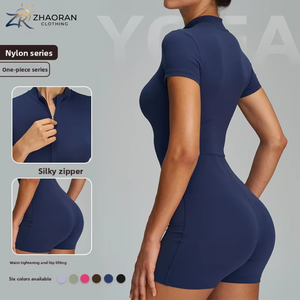
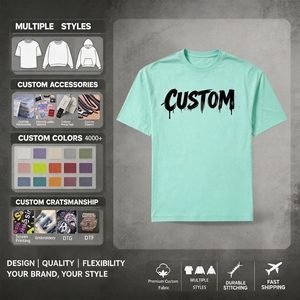
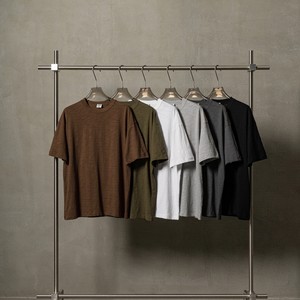
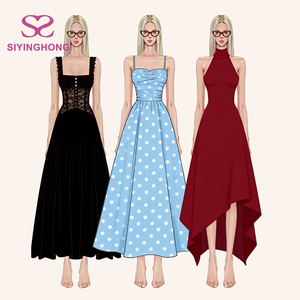
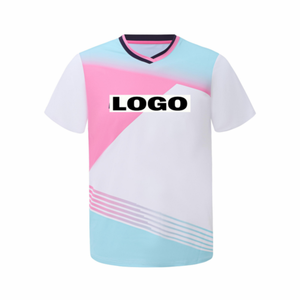
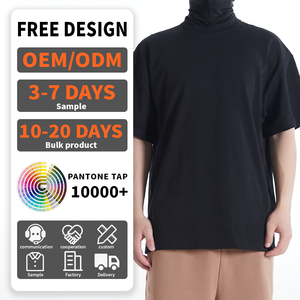
In an increasingly dynamic global retail ecosystem, brand owners, eCommerce fast-fashion disruptors, and commercial distributors are re-engineering their procurement frameworks. The paradigm has permanently shifted from simple contract cutting to full-package Original Design Manufacturing (ODM) and Original Equipment Manufacturing (OEM) partnerships. Modern apparel brands require manufacturing vendors capable of bridging the gap between creative design concepts, technical tech pack engineering, eco-certified raw material sourcing, and rapid-turnaround bulk execution.
As consumer purchasing behavior demands higher fabric durability, ethical supply chain transparency, and precise fit ergonomics, sourcing directors face escalating risk when managing fragmented vendor networks. Selecting a trusted, full-package ODM manufacturer—headquartered strategically with global manufacturing nodes—removes critical bottlenecks such as pattern degradation, colorway inconsistency, and customs compliance friction.
Information Gain Strategic Insight: Strategic ODM procurement is no longer merely about driving down cost-per-unit (CMT rate). It is centered on total supply chain velocity, inventory turn optimization, and eliminating non-conformance defects prior to international freight departure.
Full-Package Production (FPP) integrates every stage under an audited Quality Management System (QMS). From initial 3D digital CAD fitting and raw fabric lab dipping to computerized laser cutting, high-density embroidery, screen printing, and private label finishing, single-roof control safeguards brand equity. Factories operating with certified OEKO-TEX Standard 100 fabrics and SEDEX social compliance standards ensure that retail lines meet stringent Western regulatory frameworks seamlessly.
By leveraging an agile minimum order quantity (MOQ starting at 50 pieces per style), emerging apparel labels can validate market demand without tying up excessive capital in unliquidated inventory, while established enterprises maintain the scalability required for multi-thousand-unit seasonal drops.

As a leading Los Angeles-headquartered made-to-order clothing manufacturer and international export group, our infrastructure is specifically engineered to eliminate traditional procurement vulnerabilities. We combine Western design sensibility and local account management with high-efficiency overseas production facilities, offering an unmatched competitive value proposition for global garment brands.
Break traditional factory barriers. Test new silhouettes, colorways, and capsule collections with minimums starting from 50 pieces per style across standard size runs.
Transform conceptual sketches or reference garments into production-grade tech packs with digitized grading, seam allowance specs, and BOM (Bill of Materials) sheets.
Rapid sampling delivered in 7–12 working days, followed by bulk production completing in 15–25 working days with real-time milestone reporting and milestone photos.
Multi-stage quality gates: incoming raw material GSM and color shade inspection, in-line stitch density testing, and final AQL 2.5 audit prior to container sealing.
Custom woven main tags, heat-transfer neck labels, swing tags, barcodes, zip polybags, and custom mailer packaging fully branded to retail-ready standards.
Stock and custom-milled combed cotton, heavyweight French terry, 4-way stretch nylon/spandex, denim, genuine/vegan leather, and eco-certified recycled blends.
The global textile and apparel procurement sector is experiencing a profound structural evolution driven by digitization, environmental mandates, and supply chain volatility. Global sourcing executives must align with ODM vendors who actively adopt next-generation manufacturing technologies.

Traditional sampling cycles often require 3 to 4 physical revisions, consuming up to 60 days before bulk sign-off. Modern ODM factories utilize 3D cloth simulation engines (such as CLO 3D and Browzwear) to map fabric drape, stretch elasticity, and tension heatmaps digitally. This reduces sample iteration time by 70% and minimizes fabric waste during development.
Regulatory frameworks, including the EU’s Ecodesign for Sustainable Products Regulation (ESPR), are requiring digital product passports. Trusted exporters must provide verified material certifications including GOTS (Global Organic Textile Standard), GRS (Global Recycled Standard), and OEKO-TEX Standard 100 for heavy metals and toxic dye residues.
Over-production remains the highest financial liability for retail brands. Future-fit procurement models emphasize "Test-and-Repeat" inventory strategies. Brands launch small test lots (50–100 units per SKU), analyze real-time POS analytics, and place rapid automated replenishment orders with the ODM facility within 14 working days.
| Procurement Metric | Legacy Overseas OEM | Modern Agile ODM (Our Framework) | Strategic Enterprise Benefit |
|---|---|---|---|
| Minimum Order (MOQ) | 1,000 – 3,000 Pcs / Style | 50 – 100 Pcs / Style | Minimizes deadstock capital risk by up to 85%. |
| Sampling Lead Time | 30 – 45 Days (Physical) | 7 – 12 Days (Digital + Proto) | Accelerates time-to-market for trend-sensitive drops. |
| Technical Support | Requires Full Client Tech Pack | Full Design & Tech Pack Creation | Reduces in-house engineering overhead for brands. |
| Decoration Control | Sub-contracted to 3rd Parties | 100% In-House Integrated | Eliminates print distortion, peeling, and color shifts. |
| Compliance Audit | Varies / Often Unverified | OEKO-TEX & SEDEX Aligned | Guarantees seamless legal compliance in US/EU/AU. |
To guarantee repeatable garment aesthetics, exact measurement tolerances (±1cm across size grading), and color fastness grade 4+, production follows an audited four-stage gateway framework:
Deconstruction of brand vision into precise CAD files, establishing Pantone TCX color standards, fabric GSM weight specifications, thread tension settings, and label placement maps.
Yarn dipping, knitting/weaving, and fabric relaxation (24-hour tension relief prior to cutting to prevent post-wash shrinkage). Proto and pre-production fit samples are shipped for hands-on sign-off.
Automated spreading and precision laser/blade cutting. Panels are routed to specialized lines for flatlock seam assembly, 3D puff embroidery, high-density screen printing, or sublimation.
Final inspection covering needle detection, seam strength strain tests, dimensional stability, private label attachment, polybagging, and customs clearance packaging.
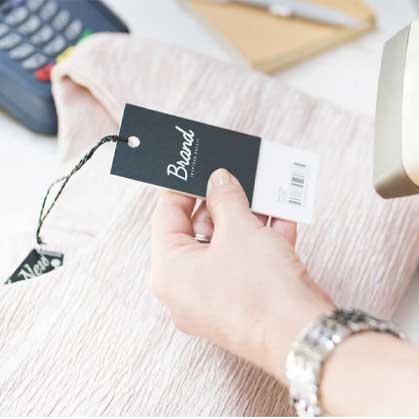
A garment’s retail valuation is heavily influenced by branding execution. Modern buyers expect custom woven main labels, satin care labels with FTC/CE compliance symbols, branded hangtags, and custom printed frosted polybags.
Our facility manages all embellishments in-house, ensuring that screen printing (plastisol, water-based, discharge, puff), embroidery (flat, 3D puff, appliqué), and private labeling match exact brand guidelines without multi-vendor handoff errors.
Below are authoritative responses to the primary technical and commercial queries raised by global apparel buyers, supply chain managers, and brand founders prior to contract execution.
Our flexible production system offers a base MOQ of 50 pieces per style for standard knitwear (such as t-shirts, hoodies, and activewear), which can be split across colorways and standard size runs. Complex technical garments like denim jeans, structured outerwear, or engineered bras typically require 100 pieces per style due to fabric milling and machine setup constraints.
Pattern development and initial sample execution take 7 to 12 working days. Upon final fit sample and lab dip sign-off, bulk production for orders between 50 and 1,000 pieces requires 15 to 25 working days. International air express freight delivers within 3 to 7 days, while ocean freight shipping ranges from 25 to 35 days depending on the destination port.
Yes. If you do not possess a formal CAD tech pack, our in-house apparel engineers can reverse-engineer physical reference samples or detailed multi-angle photos into a complete, production-ready specification sheet, complete with size grading tables and fabric consumption maps.
All raw materials undergo rigorous pre-production inspection. Color matching is executed against Pantone TCX/TPX standards under daylight lighting booths. Fabrics are pre-shrunk and tension-relaxed prior to cutting, guaranteeing shrinkage rates remain under 3% post-wash. Lab testing reports are made available prior to bulk cutting.
Our manufacturing ecosystem operates under SEDEX-audited ethical labor guidelines and utilizes OEKO-TEX Standard 100 certified fabrics, ensuring products are free from harmful chemicals. We also offer GOTS-certified organic cotton and GRS-certified recycled polyester options upon buyer request.
We enforce an AQL 2.5 Quality Assurance protocol. Inspection checks cover measurement accuracy against spec sheets, seam tensile strength, print adhesion durability, zipper/hardware reliability, and packaging barcode correctness. Complete digital inspection reports and video logs are supplied before container sealing.
Our fabric mills and manufacturing units adhere to globally recognized ethical standards, guaranteeing safe labor practices and chemical-free textiles.



Whether you are launching an innovative tech pack, expanding an established retail line, or testing low-MOQ capsule drops, our merchandising team is ready to analyze your specs and provide a comprehensive quotation.