In the rapidly expanding global hosiery and activewear market—projected to surpass $62 Billion by 2030—brand procurement directors, private-label founders, and supply chain managers face a pivotal structural decision: optimizing sourcing between China wholesale custom socks manufacturers and emerging textile factories in India. Both manufacturing hubs present distinct competitive advantages in yarn spinning, circular knitting technology (96N to 200N Lonati machines), minimum order quantity (MOQ) flexibility, and international trade compliance (OEKO-TEX Standard 100, GOTS, WRAP).
This industry whitepaper evaluates the operational mechanisms, material choices, duty structures, and technical specs required to engineer market-ready custom socks, activewear jumpsuits, heavyweight 220+ GSM cotton t-shirts, and specialized apparel drops. By establishing a direct comparison between Chinese precision-automated hubs (such as Zhuji Datang Socks Town) and Indian organic cotton clusters (Tirupur and Ludhiana), this guide offers actionable Information Gain for brand architects seeking maximum margin, rapid prototyping, and zero-defect bulk execution.
Below is our core production series engineered under strict OEM/ODM quality control protocols. Select any style to initiate custom tech pack evaluation, yarn sampling, or volume pricing inquiries.
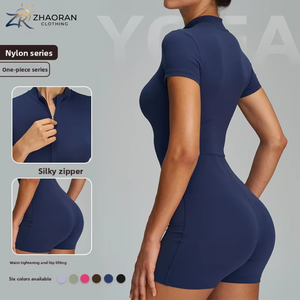
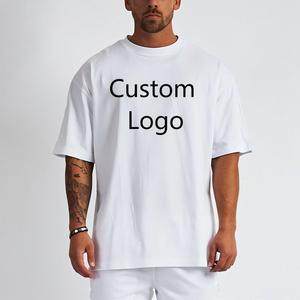
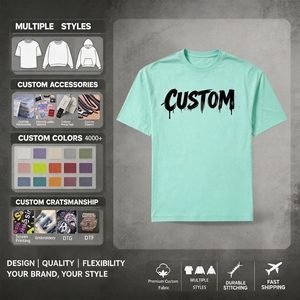
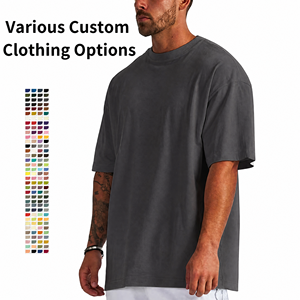
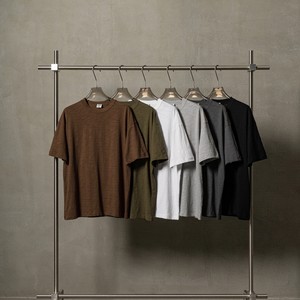
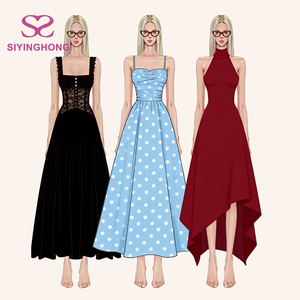
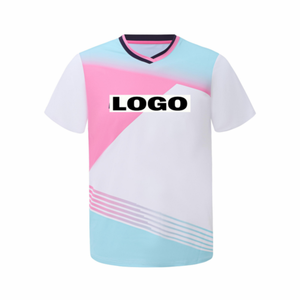
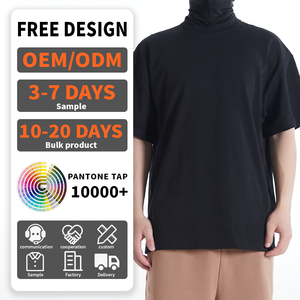
When evaluating international sourcing strategies for custom socks—ranging from high-needle crew dress socks and 200N athletic compression socks to eco-conscious organic bamboo ankle socks—procurement leaders must weigh structural factors: raw material access, machinery automation, labor skills, shipping tariffs, and carbon footprints.
Key Sourcing Takeaway: China dominates high-volume, tech-heavy sock production (e.g., 200-needle density, intricate Jacquard patterns, automated Rosso toe closing, and rapid turnarounds). India excels in organic cotton compliance (GOTS-certified supply chains), competitive tariffs under bilateral trade agreements, and cost-effective bulk medium-needle (144N/168N) classic knitting.
Chinese sock manufacturing centers in Zhejiang and Guangdong utilize computerized single and double-cylinder knitting machinery (primarily Italian Lonati, Matec, and Korean Sangiacomo machines). Needle counts dictate garment density and aesthetic clarity:
While top-tier Indian factories in Tirupur have aggressively upgraded to imported computerized machines, China retains a higher density of 200N fully automated equipment per facility, reducing manual finishing errors and enabling complex multi-color artwork (up to 6–8 colors per line without thread floats).
Raw material availability impacts both FOB cost and product longevity. China maintains the world's most integrated supply chain for functional yarns—including CoolMax moisture-wicking polyester, Thermolite insulation fibers, recycled PET (Repreve), and anti-microbial silver-ion treated nylon. Indian sock manufacturers hold a distinct advantage in native long-staple cotton (such as Shankar-6), organic cotton, and eco-certified bamboo blends.
A crucial quality metric in custom socks is the seam over the toes. Traditional machine sewing leaves a bulky ridge that causes friction during athletic movement. Chinese factories predominantly utilize Hand-linked (seamless) toe linking or high-speed automated Rosso hand-linking machines, delivering a completely flat seam required by premium athletic brands in North America and Europe.
| Evaluation Metric | China Custom Sock Manufacturers | Factories in India | Affix Full-Package Solution |
|---|---|---|---|
| Primary Strength | Complex Jacquard, High-Needle (200N), Speed | Organic Cotton, GOTS Certified, Low Tariff Access | Low MOQ (50 Pcs), End-to-End OEM/ODM Control |
| Standard MOQ | 500 – 1,200 Pairs / Style | 1,000 – 3,000 Pairs / Style | 50 – 100 Pairs / Pcs per Style |
| Sampling Lead Time | 5 – 9 Working Days | 10 – 15 Working Days | 7 – 10 Working Days |
| Machine Density | 96N, 120N, 144N, 168N, 200N Lonati | 120N, 144N, 168N Computerized | Fully Graded Multi-Needle & Cut & Sew |
| Yarn Variety | Coolmax, Silver-ion, Nylon 66, Recycled Poly | Combed Cotton, Organic Cotton, Bamboo Yarn | OEKO-TEX / GOTS Certified Full Range |
| Quality Audit Standard | ISO 9001, BSCI, AQL 1.5 / 2.5 | WRAP, SEDEX, SA8000, GOTS | Integrated In-Line & Final AQL 2.5 |
From custom tech-pack generation and pattern grading to custom yarn dyeing, screen printing, embroidery, and private labeling.
Strict adherence to OEKO-TEX Standard 100, SEDEX social compliance, and USDA organic material certifications for global retail compliance.
Eliminate overstock risk. Test custom collections with low minimums starting at 50 pieces per style, scaled up seamlessly to volume drops.
Understanding localized consumer preferences enables brands to specify the exact yarn counts, cuff tensions, and cushion placements during technical design:
US buyers demand heavy-duty athletic socks featuring mesh breathability zones, arch compression bands, and padded heel tabs. In streetwear, heavyweight ribbed crew socks paired with custom embroidery or retro jacquard logos dominate DTC sales channels. Concurrently, 220+ GSM oversized cotton T-shirts and activewear gym rompers remain core revenue drivers.
European importers prioritize environmental compliance and material transparency. Demand leans heavily toward GOTS-certified organic cotton, GRS-certified recycled polyester, and bamboo fibers. Fine 200N needle dress socks with hand-linked toe seams are standard requirements for Western European retail store distribution.
High humidity and temperatures in GCC countries require hyper-breathable knit structures, anti-bacterial silver-ion treatments, and lightweight activewear fabrics designed to minimize odor and friction.
Essential answers covering minimum orders, duty tariffs, tech packs, and quality control procedures.
Partner with an audited full-package manufacturer offering low MOQs, factory-direct pricing, custom tech packs, and certified organic/recycled fabrics. Talk to our technical merchandising team today to start sampling.
Contact Us