High-precision knitwear, activewear, vintage heavyweight cotton, and tailored blanks engineered for Japanese retail compliance.
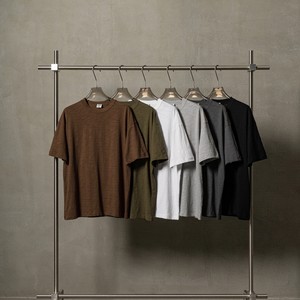
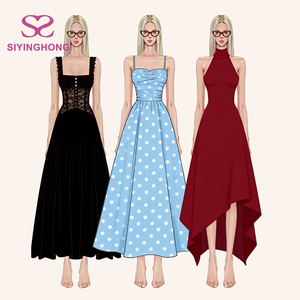
The Tokyo fashion market—anchored by style capitals like Harajuku, Shibuya, Ginza, and Daikanyama—is recognized globally for its uncompromising standards regarding garment symmetry, tactile material quality, and seam construction. Sourcing cut and sew clothing for Japanese consumers requires a specialized manufacturing framework that moves beyond standard mass production. Japanese buyers demand micro-level precision, zero-defect tolerances, and strict adherence to local sizing and safety regulations.
Western garments frequently fail in the Japanese market due to mismatches in armhole drop, shoulder slope, and torso ratio. Cut and sew suppliers catering to Tokyo brands must build patterns compliant with JIS L 4004 (Men’s) and JIS L 4005 (Women’s) standard body dimensions. Key adjustments include:
In standard global retail, an Acceptable Quality Limit (AQL) of 2.5 is typical. However, major Japanese department stores (e.g., Isetan, Hankyu) and boutique platforms (e.g., ZOZOTOWN) enforce AQL 1.0 or stricter zero-tolerance rules for loose threads, crooked topstitching, and shade variance.
Critical Compliance Requirement: All shipments bound for Japan must undergo 100% Dual-Head Metal & Needle Detection (Kenshin). A single broken needle tip trapped inside a seam can trigger full batch rejection, customs quarantine, and substantial financial liability. Our automated conveyor-type Kenshin systems guarantee 100% compliance with Japanese safety laws.
Current market trends across Shibuya and Urahara streetwear highlight heavy demand for high-weight, high-gauge cotton fabrics (220 GSM to 450 GSM French Terry) that maintain structural memory without feeling harsh against the skin. Meanwhile, Ginza office-casual lines prioritize zero-pilling mercerized cotton, moisture-wicking synthetic blends, and eco-certified organic fibers.
As a dedicated full-package OEM/ODM garment manufacturer, we manage every phase of the apparel lifecycle in-house—eliminating errors associated with split vendor production. Below is a detailed technical matrix of our cut and sew engineering capabilities designed for Tokyo brands:
| Garment Category | Fabric Weight & Composition | Stitch Density & Seam Specs | Specialized Printing / Decoration | Lead Time & MOQ |
|---|---|---|---|---|
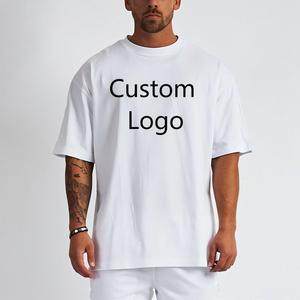
| Heavyweight T-Shirts | 180–300 GSM 100% Ring-Spun Cotton / Supima / Pima | 12–14 SPI, Twin-needle sleeve & hem, 1x1 rib bound neck | High-Density Screen Printing, Water-based Discharge, Vintage Wash | 50 Pcs per Style / Bulk: 15–20 Days |
| Streetwear Hoodies | 350–500 GSM Heavyweight French Terry / Fleece | Coverstitched flat seams, double-layered hood, rib side panels | 3D Puff Embroidery, Chenille Patches, Silicone Transfers | 50 Pcs per Style / Bulk: 18–22 Days |
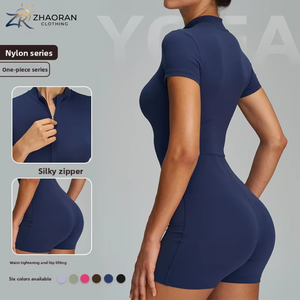
| Activewear & Rompers | 220–280 GSM Nylon/Spandex, Recycled Poly (OEKO-TEX) | 4-Needle 6-Thread Flatlock seams, squat-proof anti-sheer knit | Sublimation Dyeing, Reflective Heat Seals, Anti-slip silicone tabs | 50 Pcs per Style / Bulk: 18–25 Days |
| Custom Denim & Pants | 11–16 oz Selvedge / Rigid / Stretch Denim | Chain-stitched waistband, heavy copper rivets, flat-felled inseams | Enzyme Wash, Stone Wash, Ozone Bleaching, Debossed Leather Patches | 100 Pcs per Style / Bulk: 25–35 Days |
| Boutique Dresses & Wovens | Cotton Lawn, Tencel, Viscose, Modal Blends | French seams, narrow rolled hems, blind stitch bindings | Digital Direct-to-Fabric, Soft Reactives, Delicate Threadwork | 50 Pcs per Style / Bulk: 15–22 Days |
When outsourcing cut and sew manufacturing from Tokyo, split-supplier models (where grey fabrics are bought from one mill, sewn by a subcontractor, and printed by a third facility) frequently result in dimension shrinkage, print distortion, and misaligned labels.
Our facility unifies digitised pattern making, fabric relaxing (24-hour pre-shrinkage resting), precision laser/knife cutting, sewing, high-density decoration, and final steam pressing under one roof. This single-chain system guarantees that the fit of unit #1 matches unit #5,000 exactly.

Tokyo consumers are increasingly environmentally conscious, demanding full visibility into material origin and ethical factory conditions. We maintain certified supply chains that meet international environmental and social standards.




Guarantees that dyed yarns, prints, threads, and zippers are free from toxic AZO dyes, heavy metals, and carcinogenic formaldehydes.
Ensures fair wages, strict prohibition of forced/child labor, safe factory working conditions, and complete environmental transparency.
Direct sourcing of ultra-long staple (ULS) cotton providing exceptional softness, superior luster, and extended wear longevity.
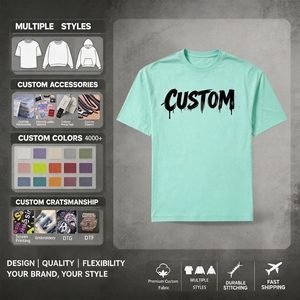
Building a distinctive brand identity in Tokyo’s retail ecosystem requires custom finishing options that meet domestic retail packaging expectations.
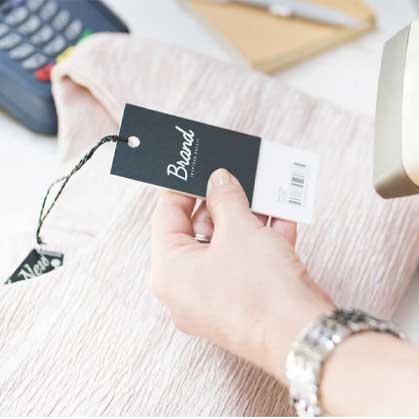
High-density damask woven labels, satin wash-care tags translated to Japanese (JIS L 0217 laundry symbols), and seamless heat-transfer neck prints.
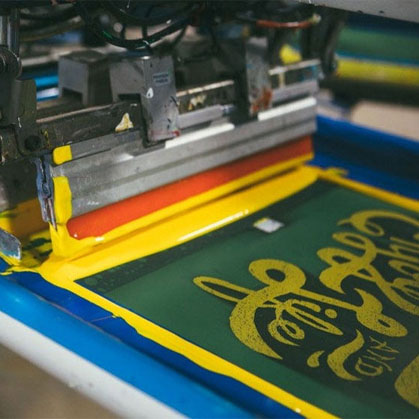
Soft-hand water-based inks, plastisol, puff, discharge, crackle print, and metallic foils matching exact Pantone TCX color references.
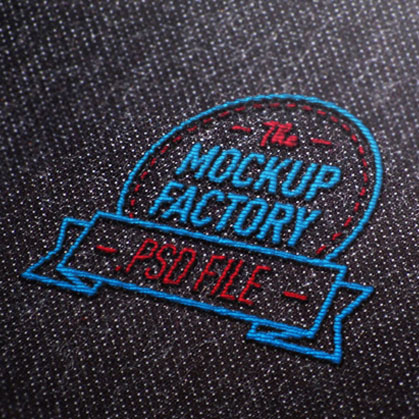
Flat stitching, 3D puff embroidery, tactile chenille patches, felt appliqués, and metallic threadwork with soft backing fabric to prevent skin irritation.
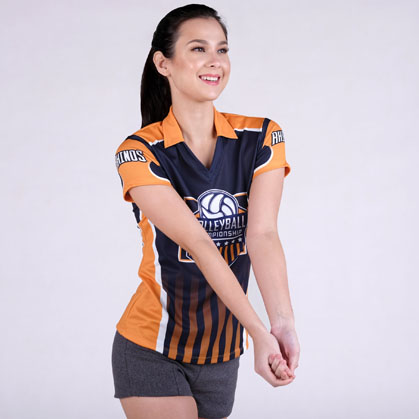
Deep-fiber dye sublimation for performance apparel. Fade-resistant, high-definition art transfers that retain breathability and stretch.
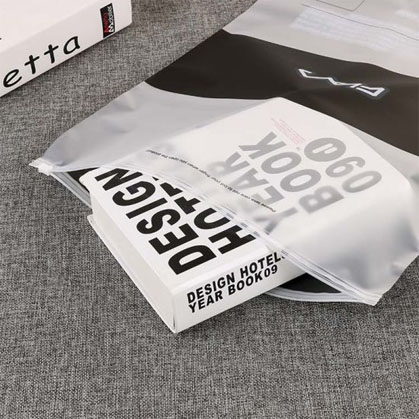
Biodegradable frosted zip-lock polybags, custom hang tags with barcode sticker integration, fold-and-pack sorting by size/color for direct store placement.
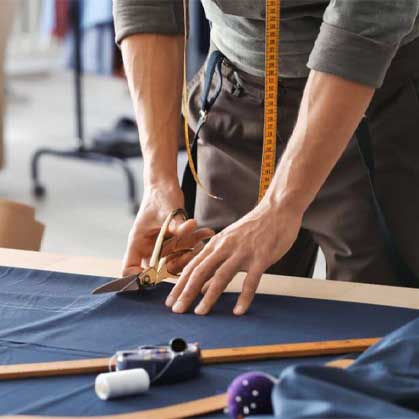
Converting initial sketches, mood boards, or physical samples into production-ready technical measurement sheets and grading systems.
Key operational, legal, and logistical considerations for importing cut and sew garments into Japan:
Our standard baseline MOQ starts at just 50 pieces per style, which can be split across standard size runs (S, M, L, XL). For specialized knitwear, t-shirts, and activewear, 50 pieces is fully supported. Heavily processed denim washes or custom-dyed synthetic fabrics may require 100 pieces per style to maintain fabric batch consistency.
Every garment destined for Japan passes through a dual-head conveyor needle detector machine set to detect ferrous particles as small as 0.8mm. Inspection records and signed Kenshin Certificates are included with shipping documents for customs clearance and store delivery.
Initial pattern creation and proto-sampling take 7 to 12 working days. Once the sample is approved, bulk production takes 15 to 25 working days depending on order volume. Shipping via express air freight (to Haneda or Narita airport) takes 3 to 5 days, while ocean freight to Tokyo/Yokohama ports takes approximately 12 to 16 days.
Yes. We design and print wash care labels compliant with JIS L 0217 and revised JIS L 0001 graphics, including fiber percentage composition, country of origin, and Japanese importer entity info as required by Japan’s Consumer Affairs Agency.
Absolutely. We operate both on a Full Package Production (FPP) basis—where we source all fabrics, trims, and packaging—and Cut-Make-Trim (CMT) basis, where you supply your nominated fabrics and we handle pattern making, cutting, assembly, embroidery, and QC.
All custom-dyed fabrics are subjected to lab tests according to JIS L 0844 (Washing fastness) and JIS L 0842 (Light fastness). We ensure color fastness rates meet Grade 4 to 5 before bulk fabric is authorized for cutting.
Connect with our dedicated B2B merchandising specialists today. From initial tech packs to factory inspection and express delivery to Japan, we bring low MOQs, high-precision engineering, and total quality assurance to your brand.