Engineered for extreme wear resistance, thermal comfort, and vibrant color output, our export-grade clothing lines comply with rigorous EU environmental mandates and Nordic market preferences.
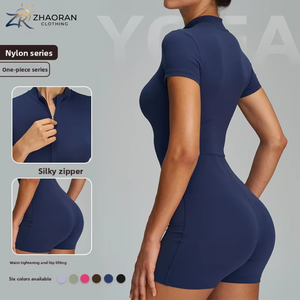
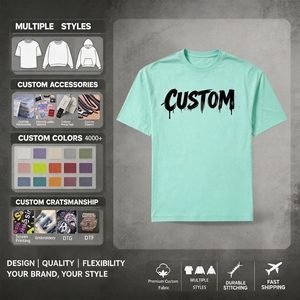
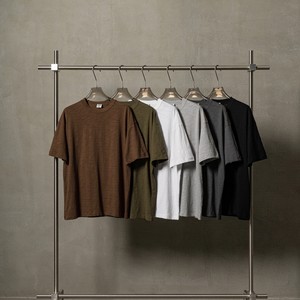
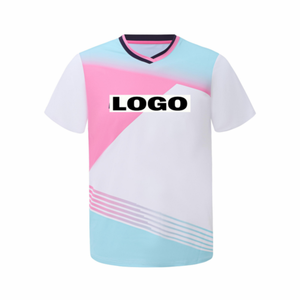
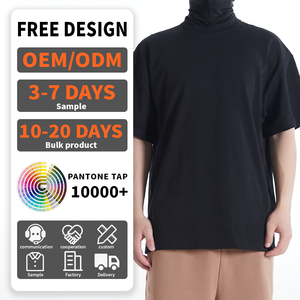
The Finnish textile and apparel ecosystem is undergoing a dramatic structural transformation. Driven by high consumer purchasing power, a deep-rooted commitment to environmental sustainability, and a thriving culture of winter sports and outdoor activities, brands in Helsinki, Tampere, Turku, and Oulu demand apparel manufacturing partners capable of meeting uncompromising standards. Sublimation printing has emerged as the premier decoration methodology for technical sportswear, corporate merchandise, and athleisure lines across the Nordic region.
Unlike traditional surface printing methods such as screen printing or direct-to-garment (DTG), dye-sublimation infuses disperse dyes directly into the molecular structure of synthetic fibers—primarily polyester and high-performance poly-blends. This process yields zero surface texture, uninhibited fabric breathability, and infinite color fidelity that will not crack, peel, or fade even under sub-zero Scandinavian outdoor exposure and high-frequency laundering.
To provide maximum structural integrity and visual vibrancy, professional dye-sublimation involves precise thermodynamic control. Disperse dye inks are printed onto high-release transfer paper using piezoelectric digital printheads. Under heat presses calibrated to 195°C – 210°C and pressures of 4 to 6 bars, the solid dye phase transforms directly into a gas without passing through a liquid state.
Simultaneously, the synthetic polymer fibers expand, opening micro-voids in their structure. The gaseous dye penetrates these voids, and upon cooling, the polymer matrix contracts, permanently trapping the pigment within the core of the filament. The result is a vibrant print that is physically indistinguishable from the underlying fabric structure.
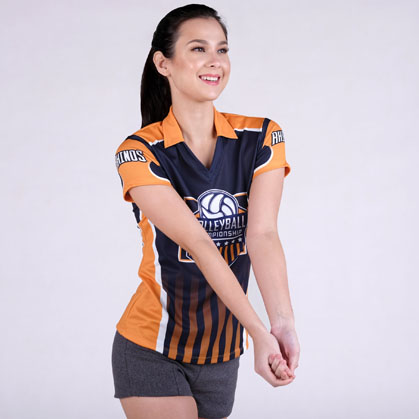
Our international manufacturing setup utilizes wide-format Italian sublimation ink systems integrated with automated laser cutting beds. This panel-by-panel sublimated cut-and-sew approach ensures that artwork aligns perfectly across seam lines, eliminating the white creasing or armpit ghosting typical of low-cost pre-sewn garment sublimation.
| Print Metric | Dye-Sublimation | Screen Printing | Direct-to-Garment (DTG) |
|---|---|---|---|
| Hand Feel / Breathability | 100% Soft (Zero Feel) | Medium to Heavy Ink Layer | Soft to Moderate Feel |
| Fabric Suitability | Polyester, rPET, Poly-Spandex | Cotton, Blends, Canvas | 100% Cotton, High-Cotton Blends |
| Wash Fastness (Sub-Zero/Hot) | 50+ Washes (Grade 5 No Fade) | 30–40 Washes (Potential Cracking) | 25–35 Washes (Gradual Fading) |
| Design Complexity | Unlimited Vector & Photo Realism | Limited by Screen Count | High Detail Photo Realism |
| Eco-Impact & Water Use | Waterless Technology (Zero Dye Effluent) | High Water Consumption | Moderate Water Usage |
Finnish consumers place extraordinary demands on functional clothing. Whether catering to elite athletic clubs in Tampere or urban lifestyle brands in Helsinki, sublimation apparel must perform under challenging climatic conditions.
Finland’s national passion for ice hockey demands heavy-duty 280–320 GSM tackle-twill sublimation jerseys. Reinforced double-stitched armpits, anti-friction collar bands, and vibrant team colorways withstand heavy physical contact and ice friction.
High-altitude Nordic ski suits require 4-way stretch Poly-Spandex compression textiles. Sublimated dynamic aerodynamics and breathability zones keep athletes dry, preventing rapid body cooling during intense endurance racing.
As the tech hub of Northern Europe hosting events like Slush, Finnish startups demand stylish corporate activewear, custom technical hoodies, and fast-dry promotional tees decorated with complex vector artwork.
Finland’s iconic sauna culture has expanded demand for rapid-dry sublimated microfiber robes, sauna towels, and lightweight fitness apparel. Sublimated waffle-knit poly-microfibers offer maximum absorbency while holding custom branded patterns through repeated high-temperature washing cycles up to 70°C.

Navigating the Finnish import ecosystem requires a firm understanding of consumer sentiment and regulatory compliance. Three key macro trends govern successful apparel supply chains in 2024–2026:
Finnish buyers demand recycled polyester derived from post-consumer plastic bottles. Sourcing GRS-certified (Global Recycled Standard) rPET reduces carbon emissions by up to 45% compared to virgin polyester.
To avoid overproduction risks in smaller niche markets, Finnish private labels seek manufacturers offering 50–100 piece MOQs per style, allowing seasonal testing prior to full bulk scaling.
Exporting to Vuosaari Port (Helsinki) or via air express requires direct EORI documentation, HS code categorization, and compliant country-of-origin labeling to streamline Finnish Customs (Tulli) clearance.
As an established custom apparel manufacturer and exporter, our facility bridges the gap between boutique design studios and massive industrial production lines. We provide comprehensive Full Package Production (FPP), managing every single phase from initial concept creation to final door-to-door delivery in Finland.


Fully customized garments crafted from raw fabric rolls to exact customer dimensions, ensuring unique silhouettes beyond standard stock blanks.

Specialized production units for rigid and stretch denim, heavy fleeces, custom outerwear jackets, and industrial apparel accessories.

3D puff embroidery, woven patches, and applique work featuring tear-away backing and non-irritating interior lining for high-end headwear and outerwear.



Elevate your brand with market-ready activewear, custom team uniforms, and high-gain dye-sublimation manufacturing tailored for the Finnish market. Speak with our technical merchandising team today.
Contact Us